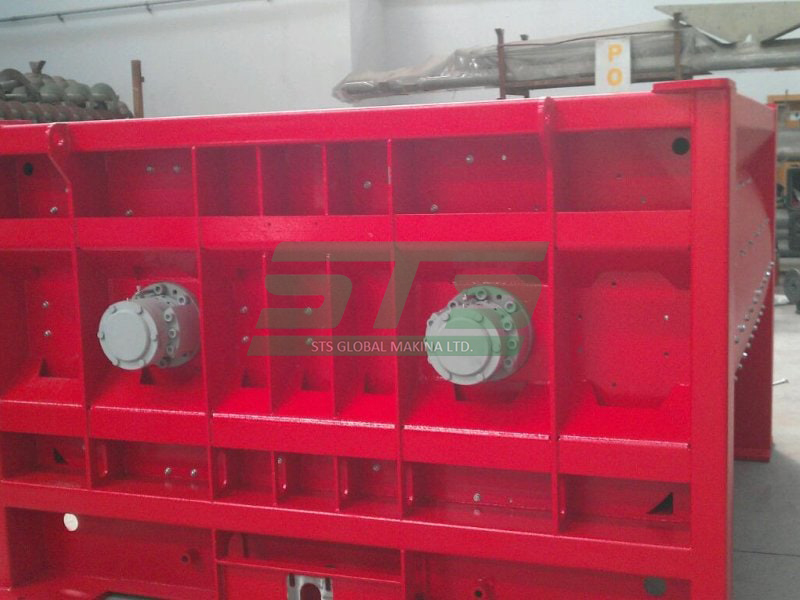
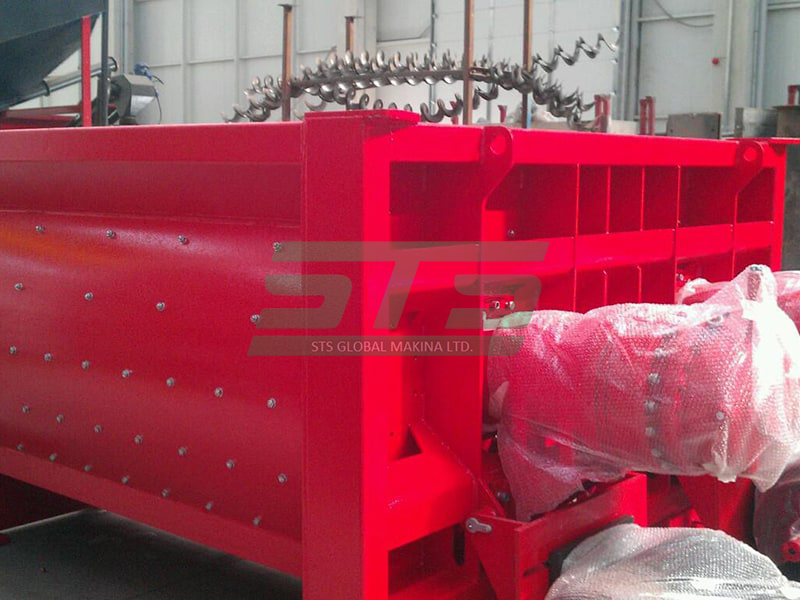
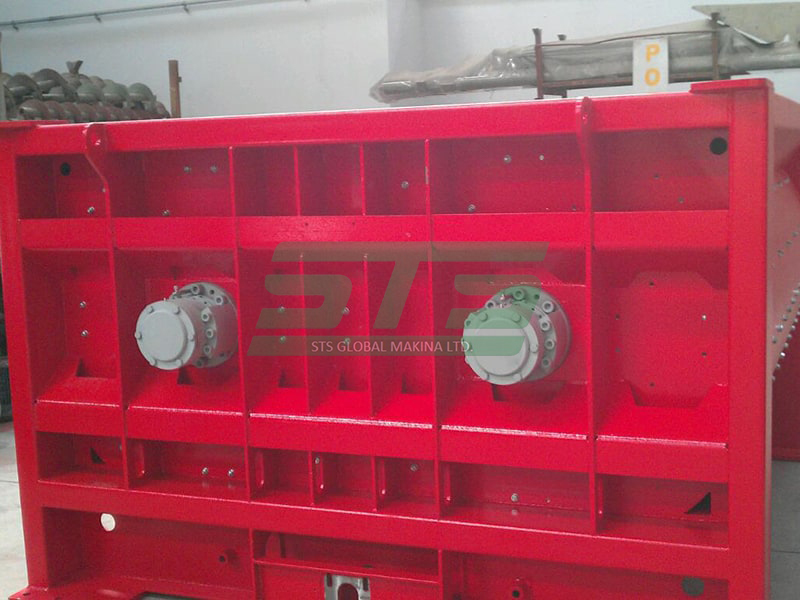
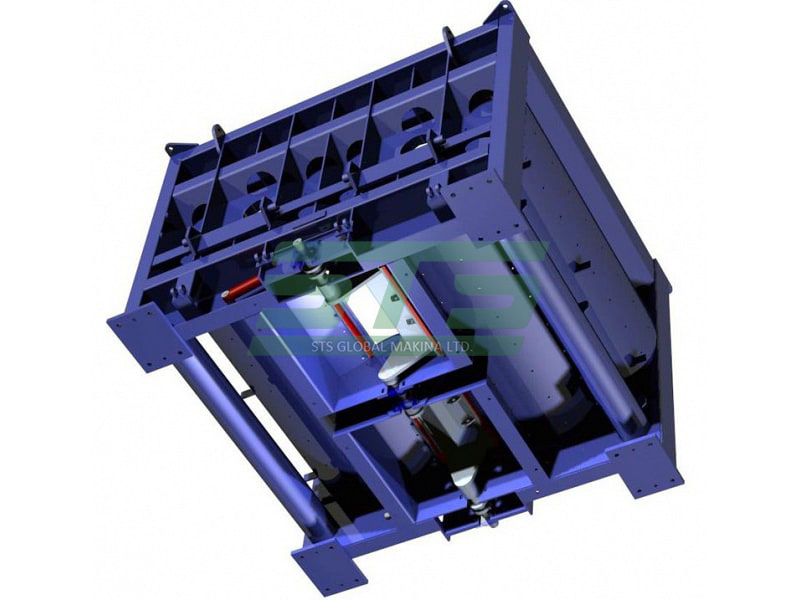
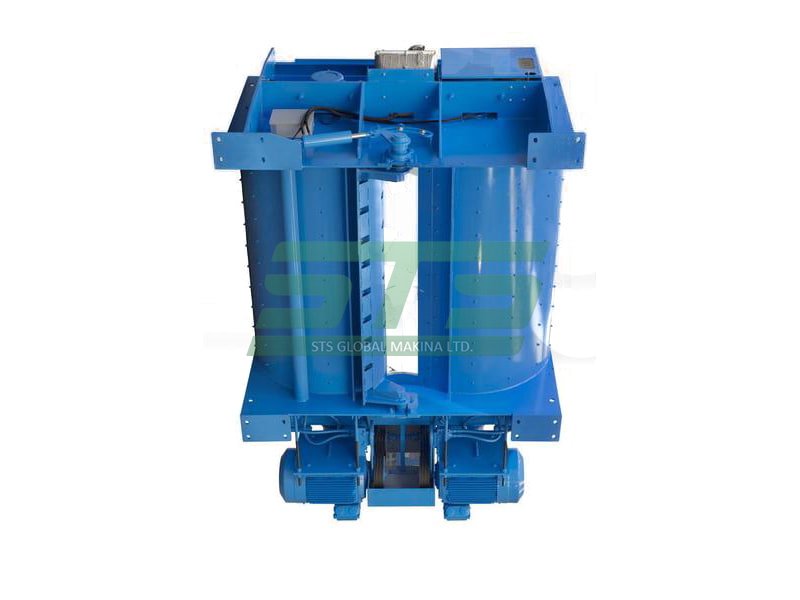
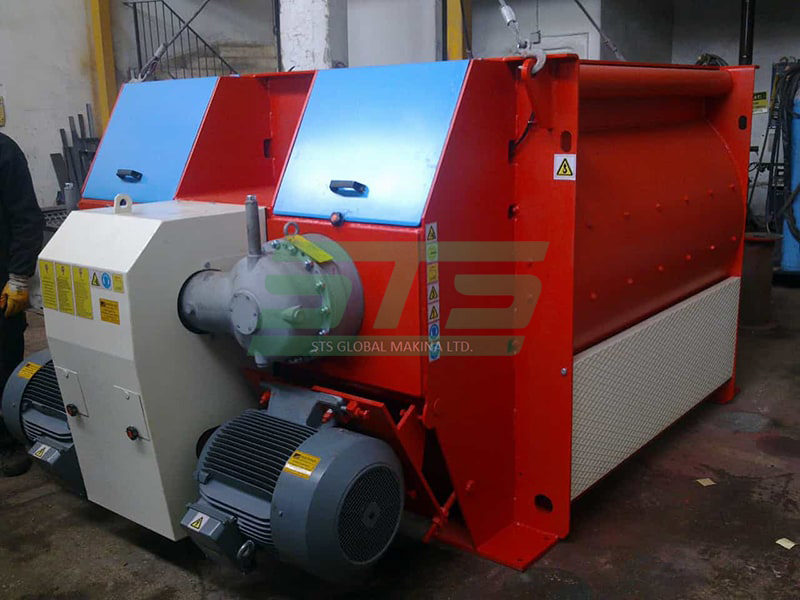
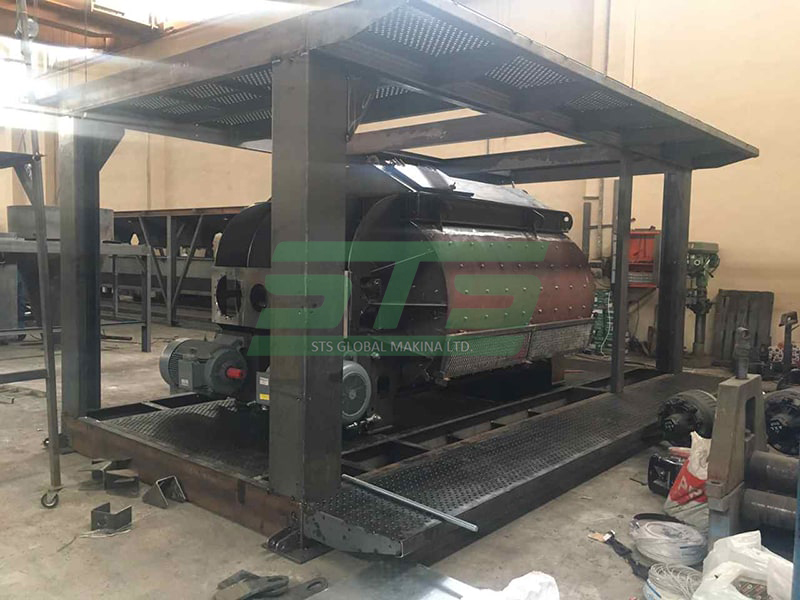
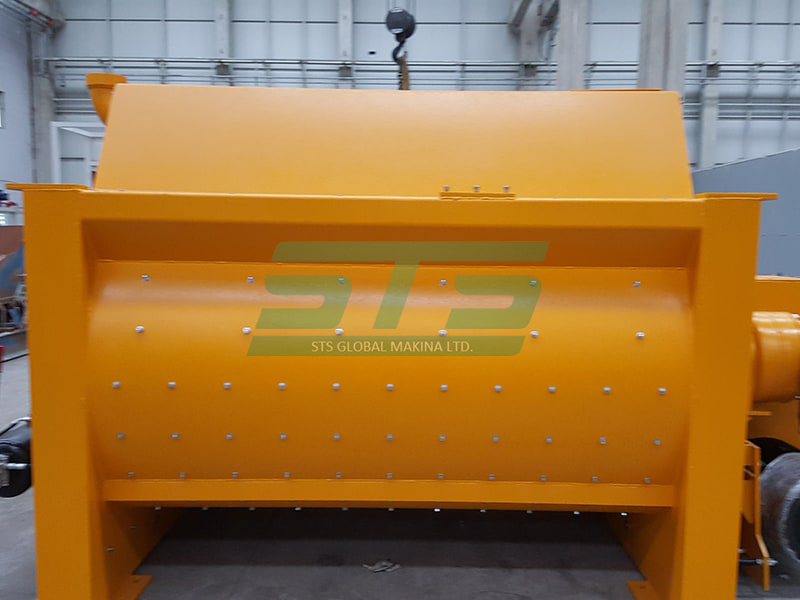
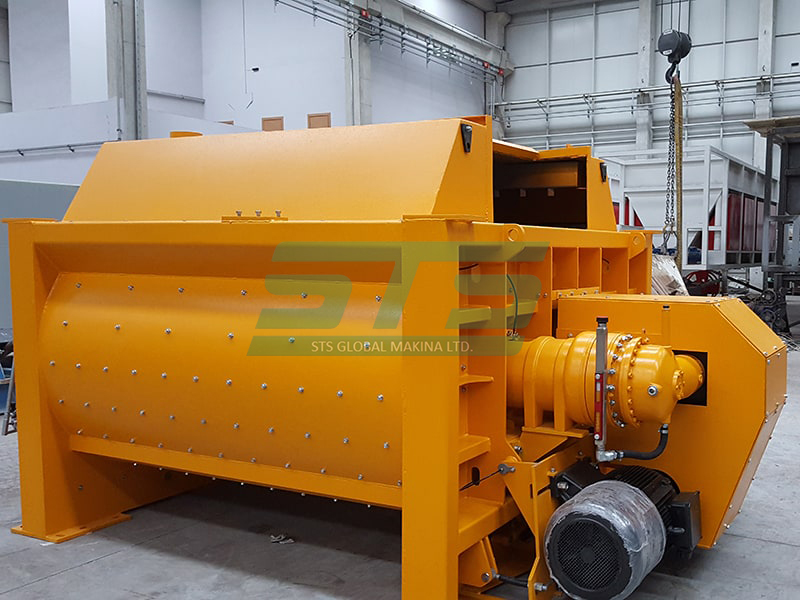
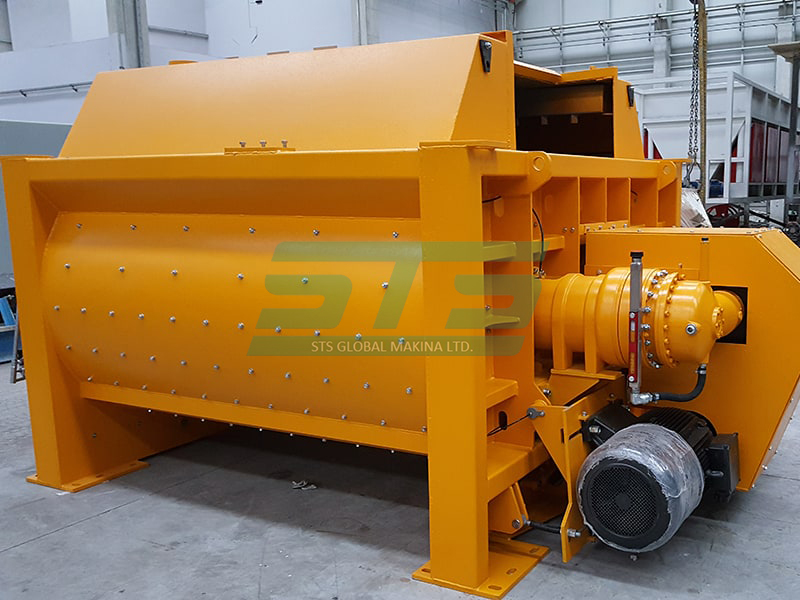
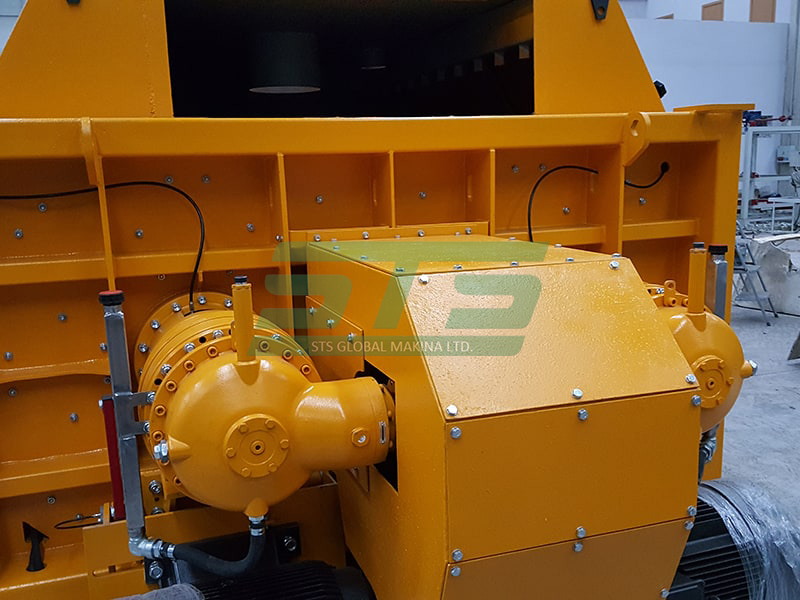
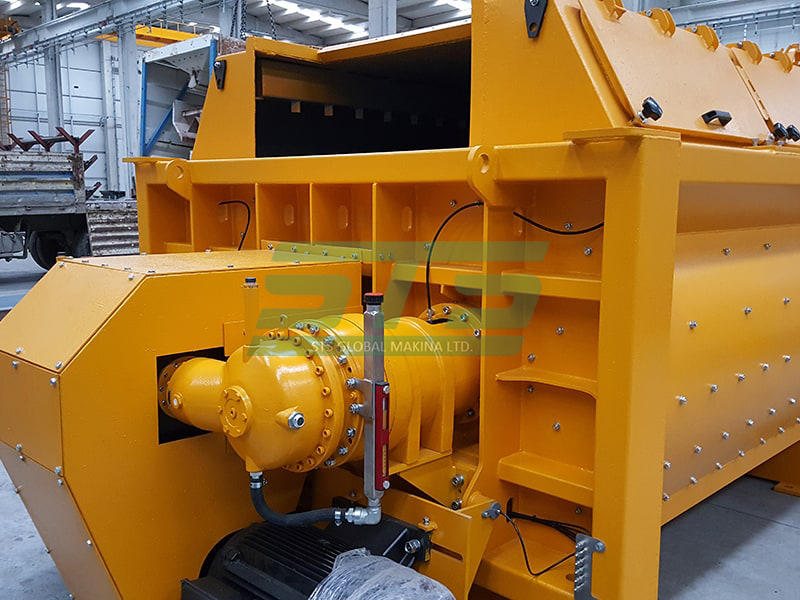
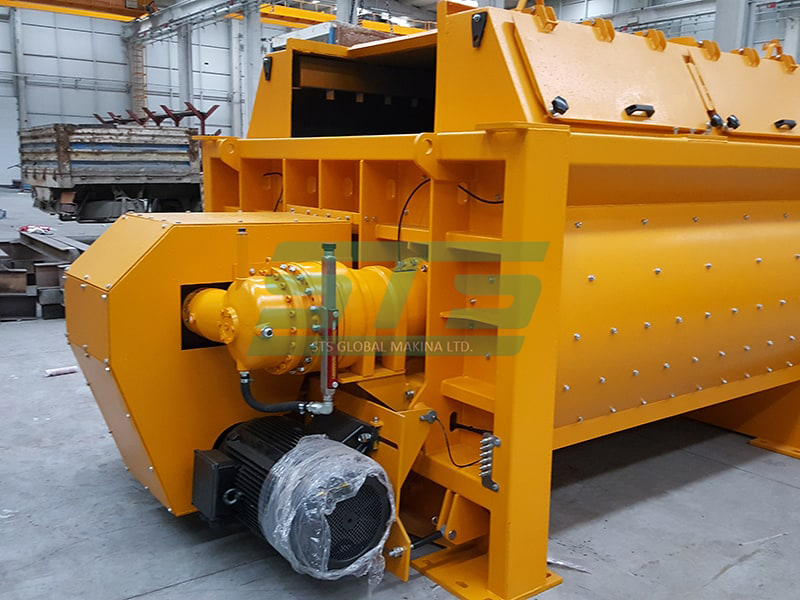
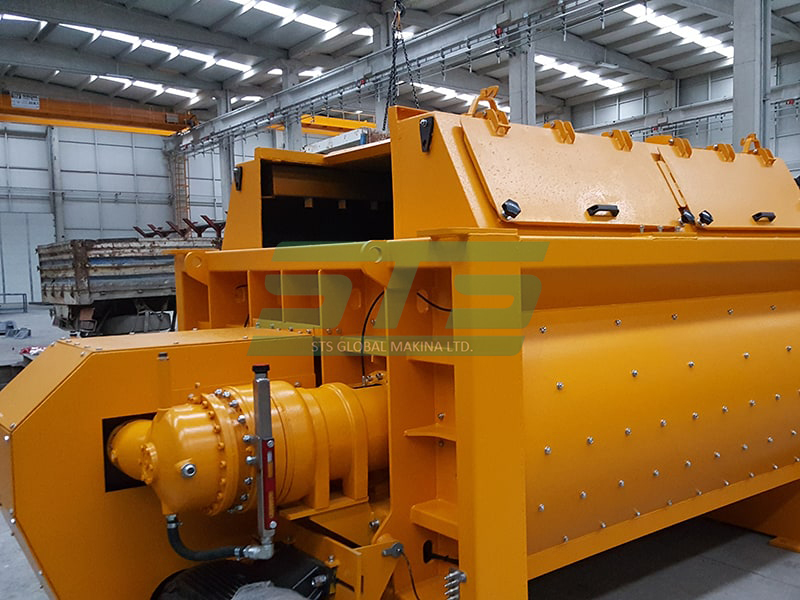
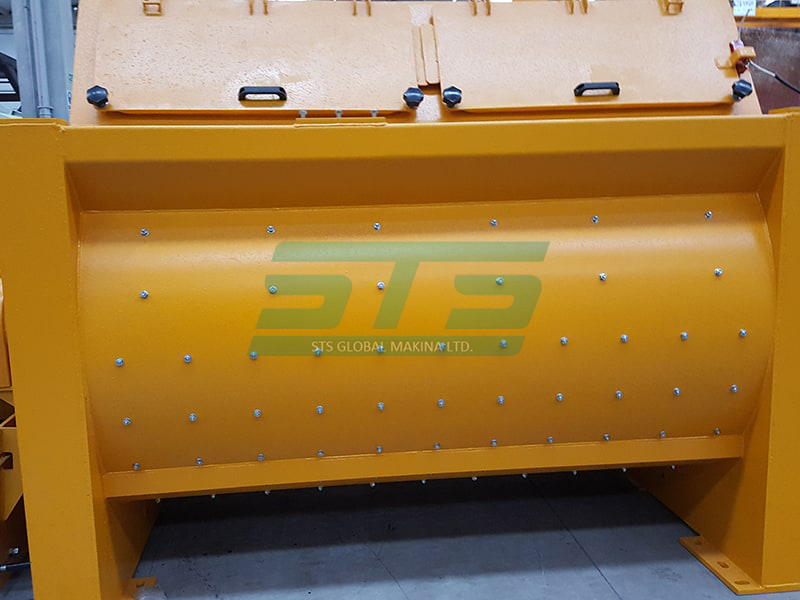
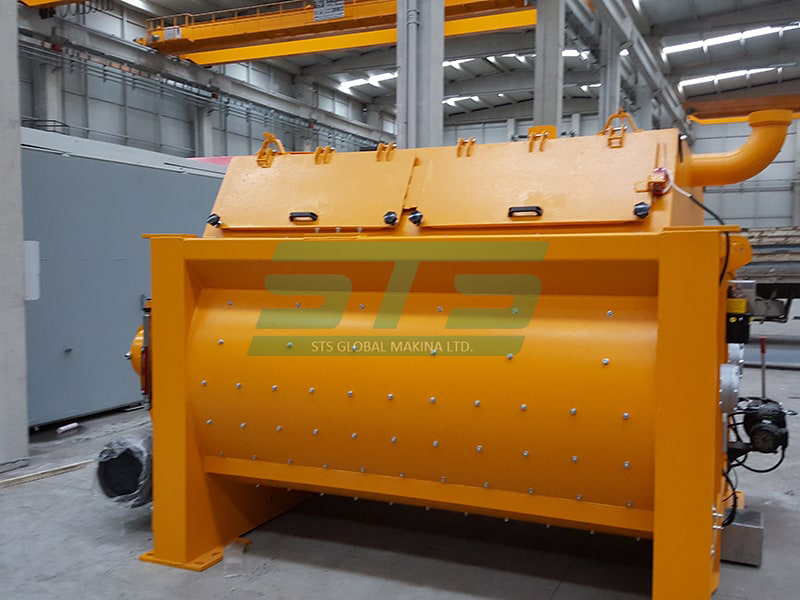
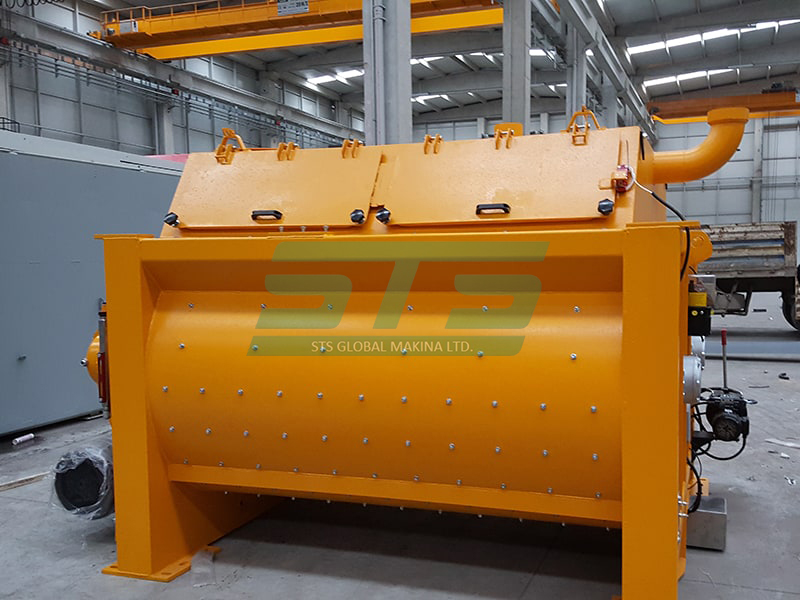
Twin Shaft Mixer
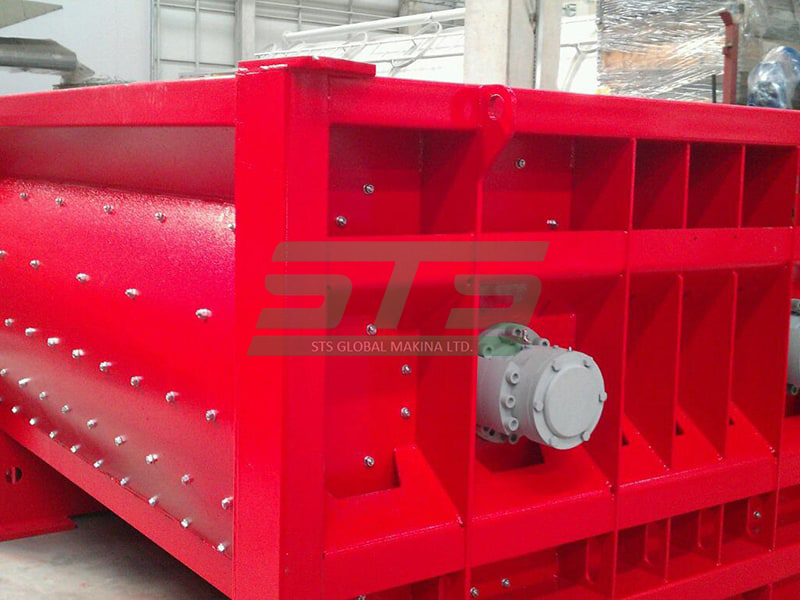
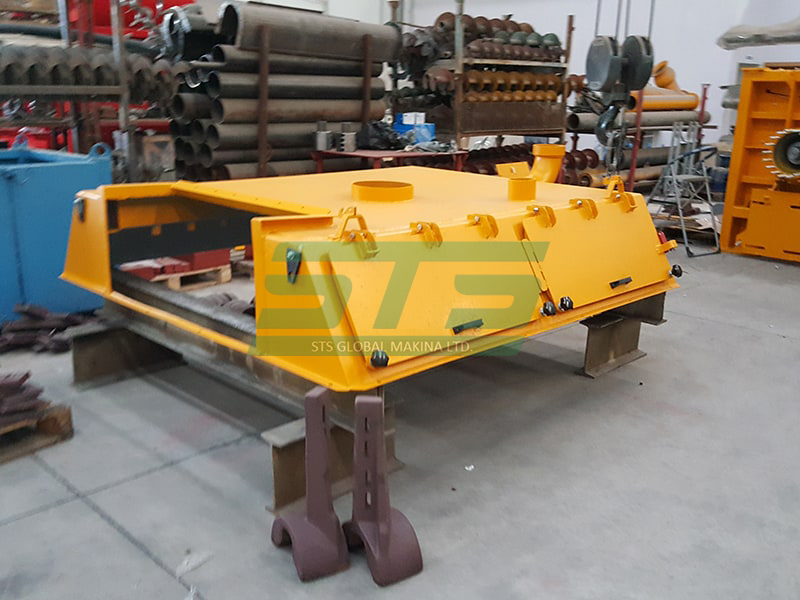
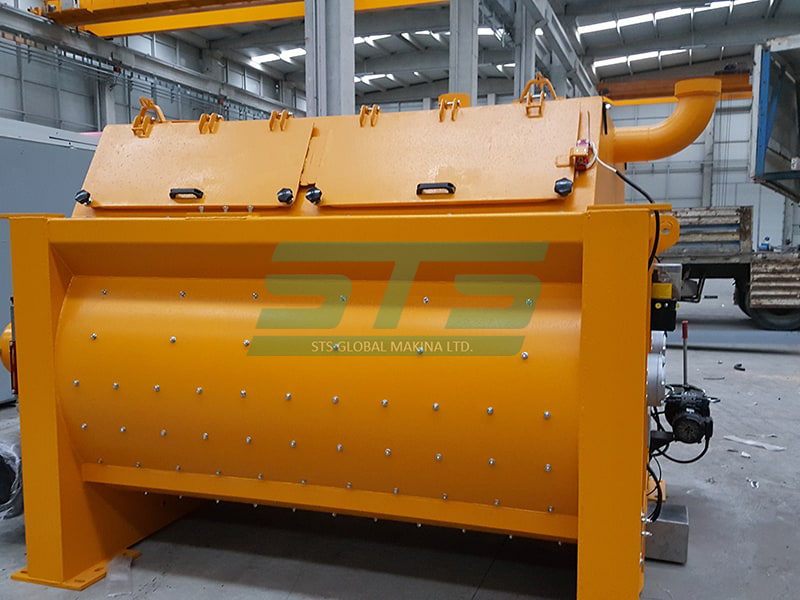
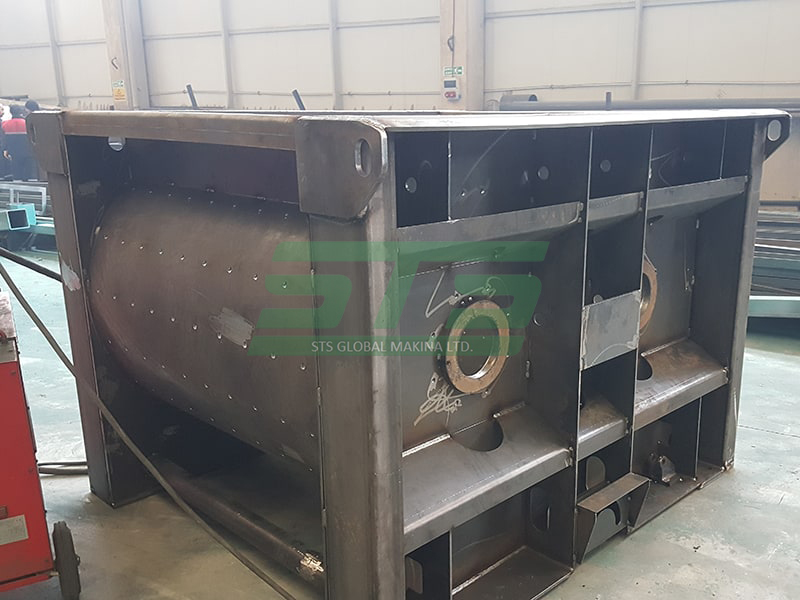
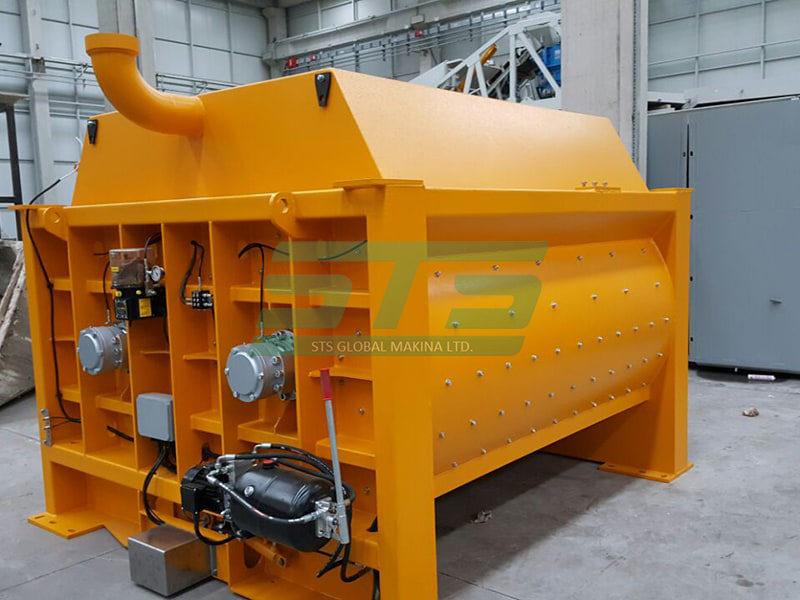
Twin-Shaft Mixers are the most powerful and efficient mixers, becoming the industry standard for applications requiring large-volume, mass concrete production, such as high-capacity ready-mix concrete plants, dams, airports, and road projects. They are known for their robust construction, fast mixing times, and superior performance even with the most challenging mixes.
A Combination of Power and Speed: How a Twin Shaft Mixer Works
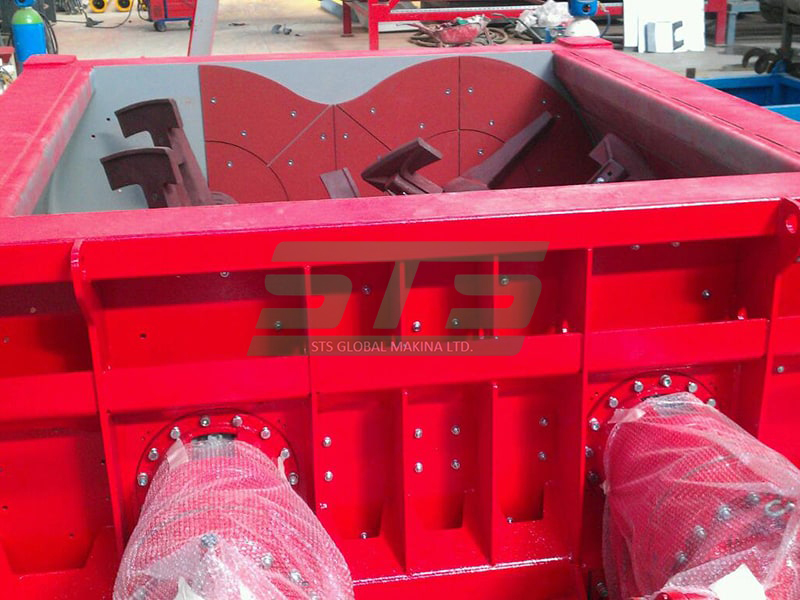
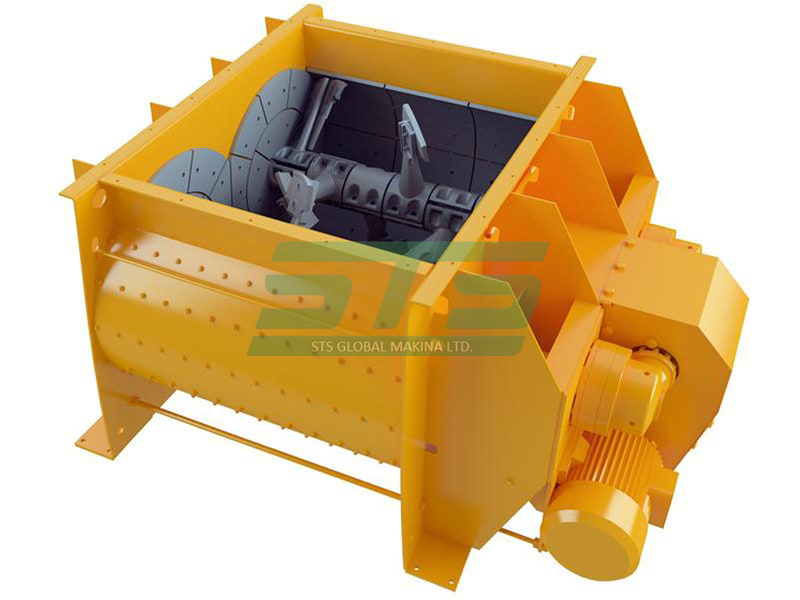
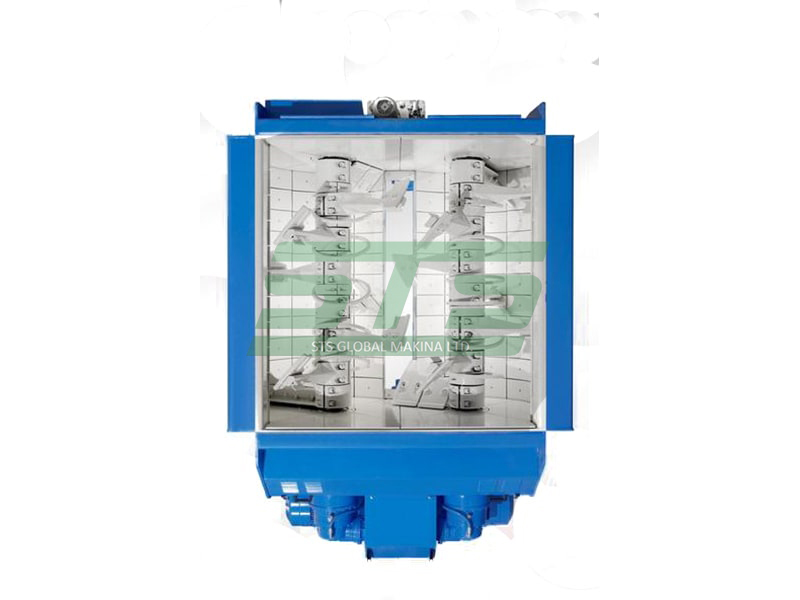
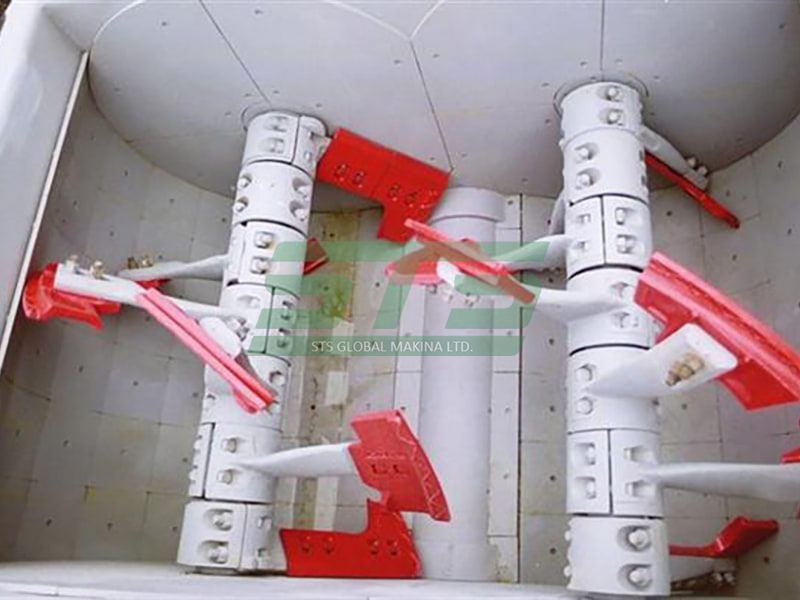
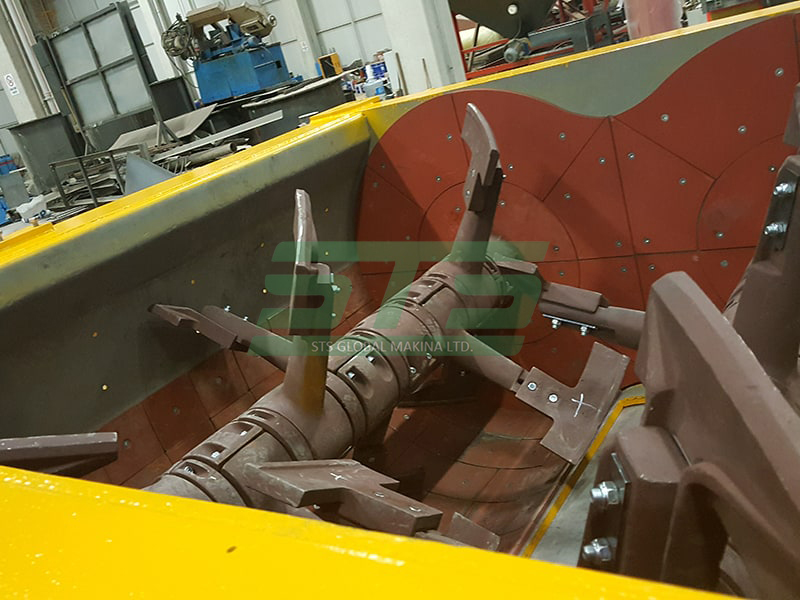
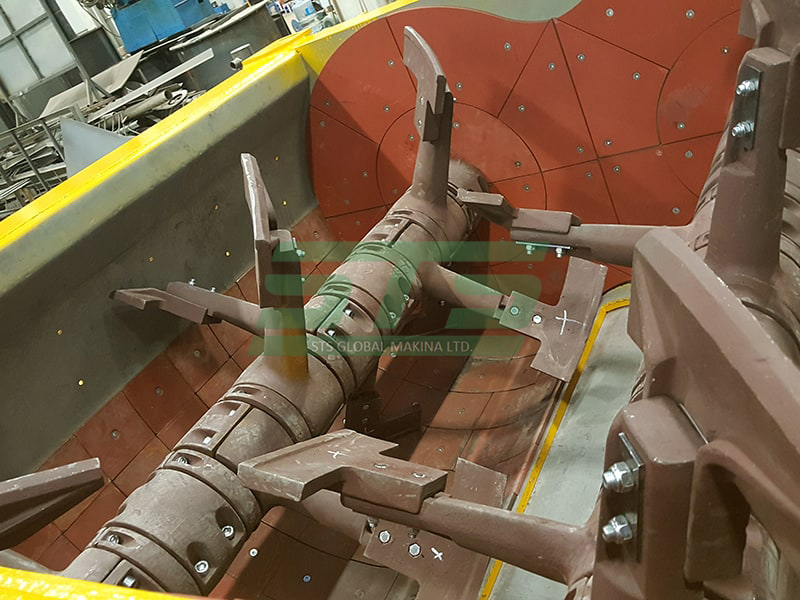
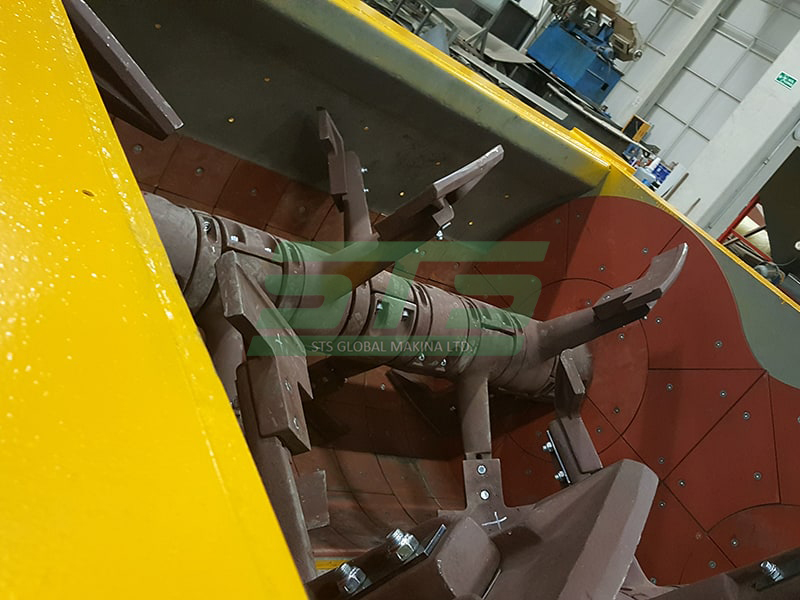
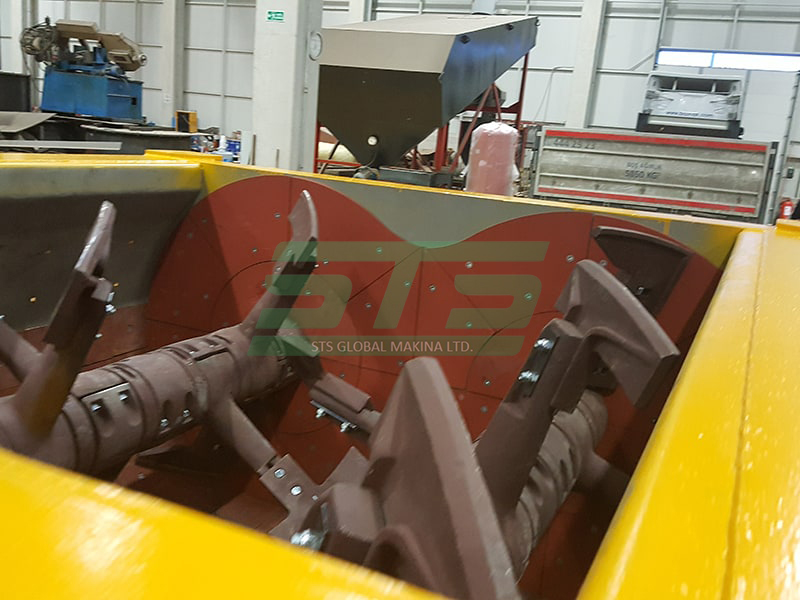
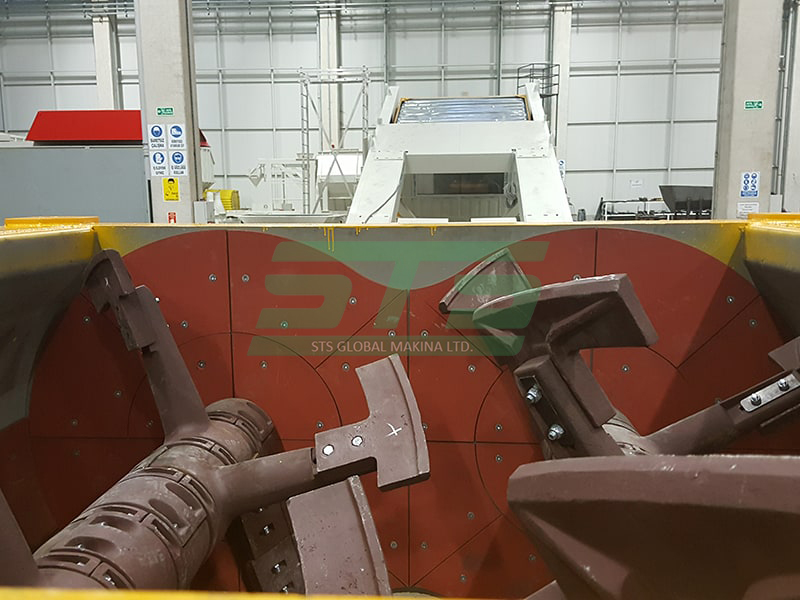
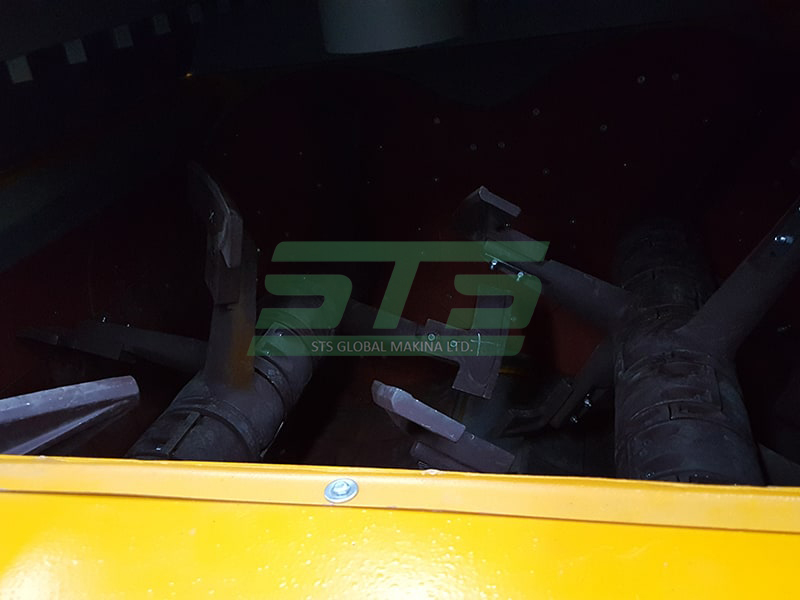
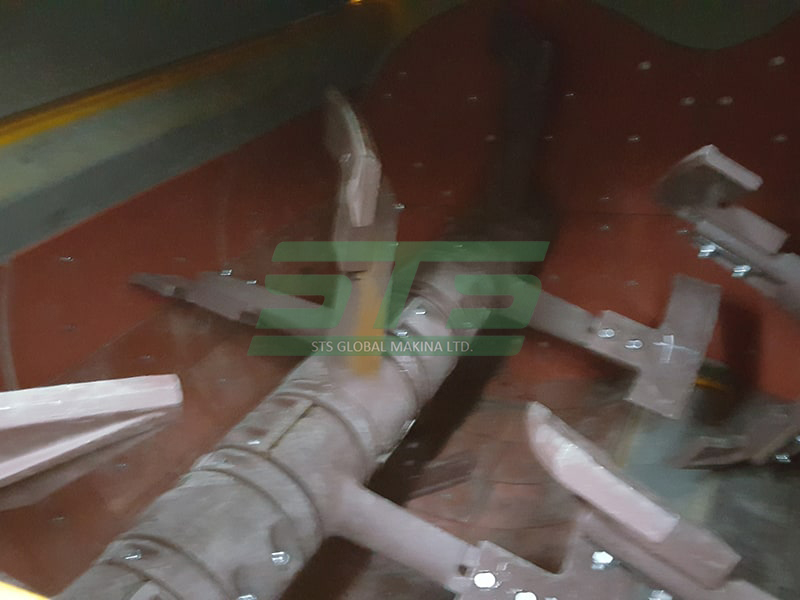
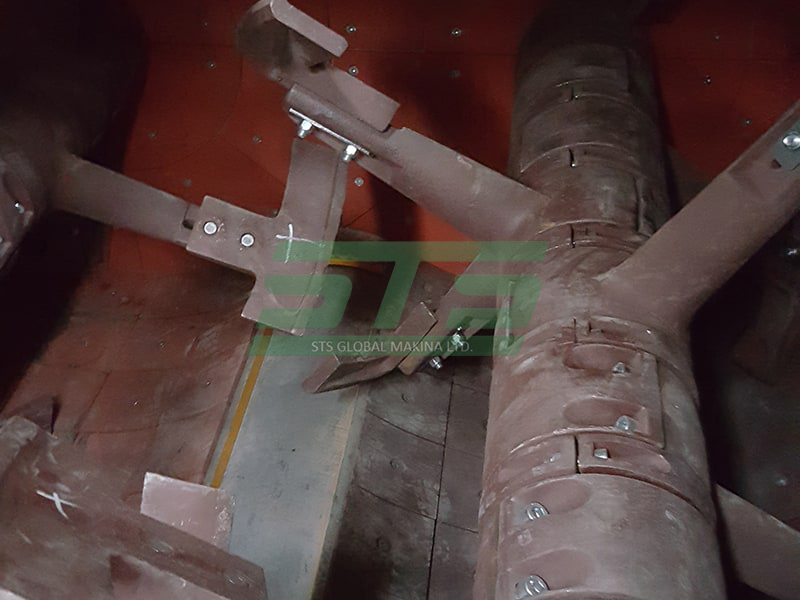
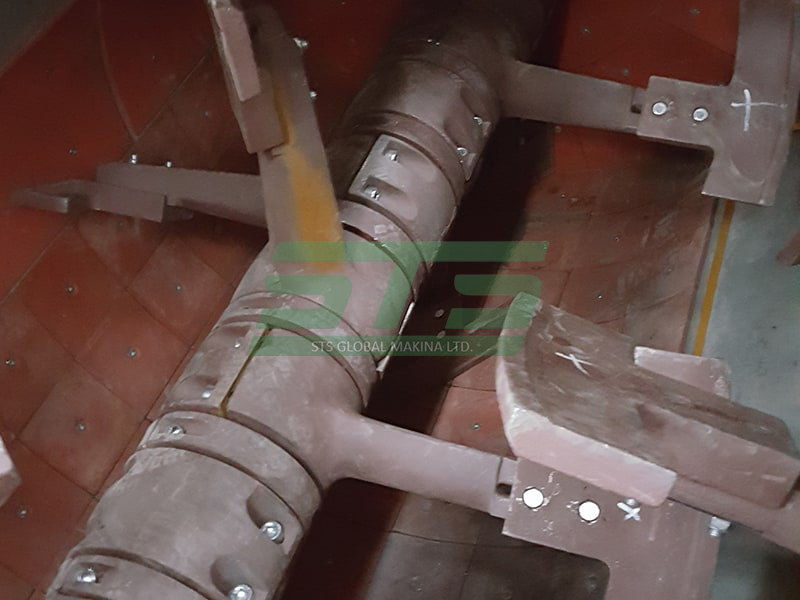
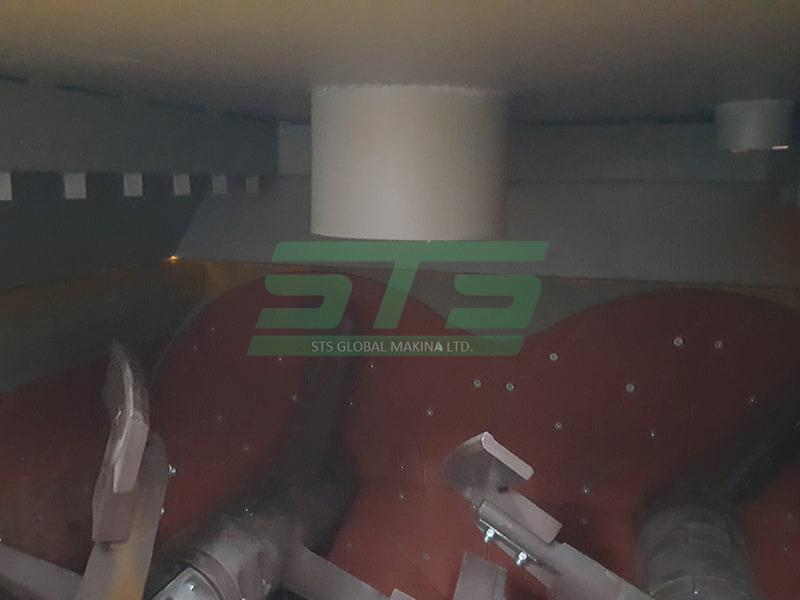
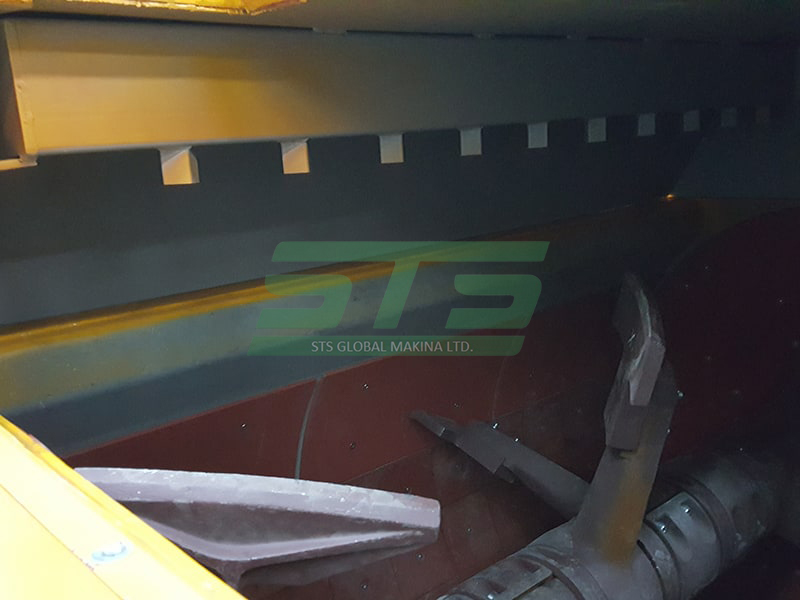
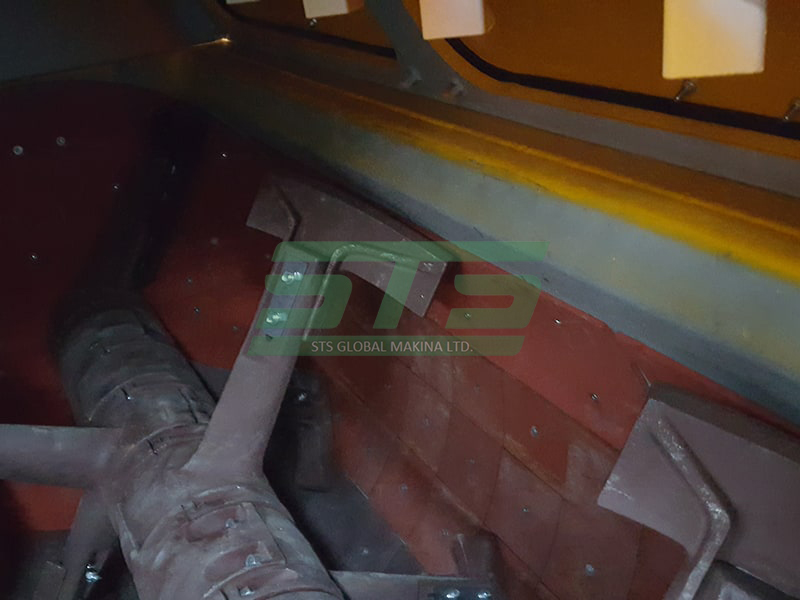
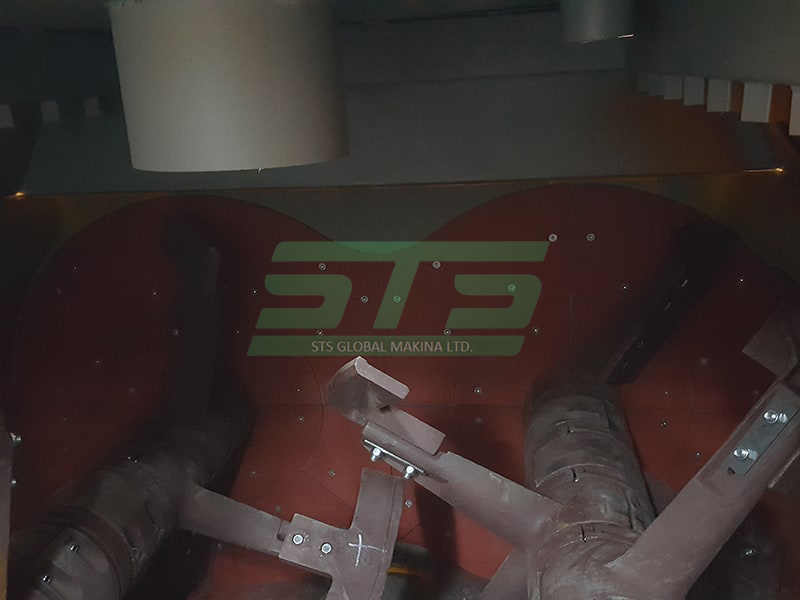
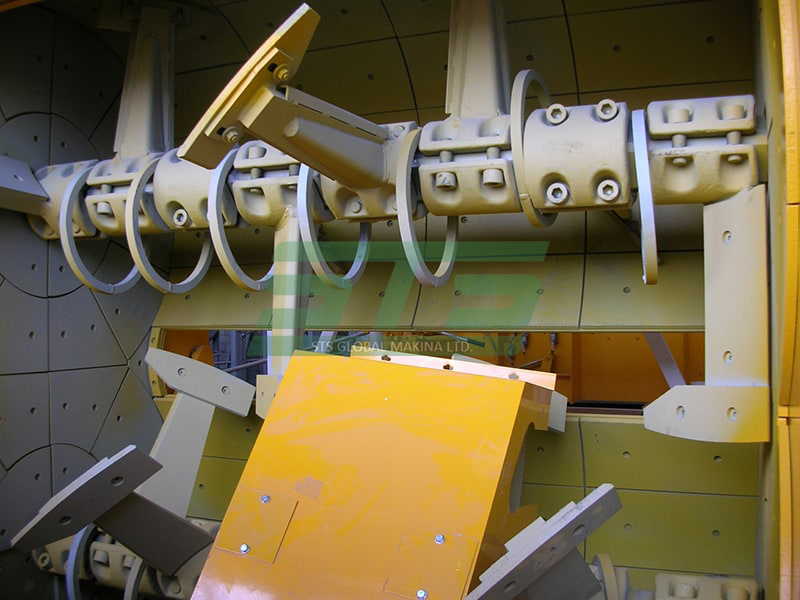
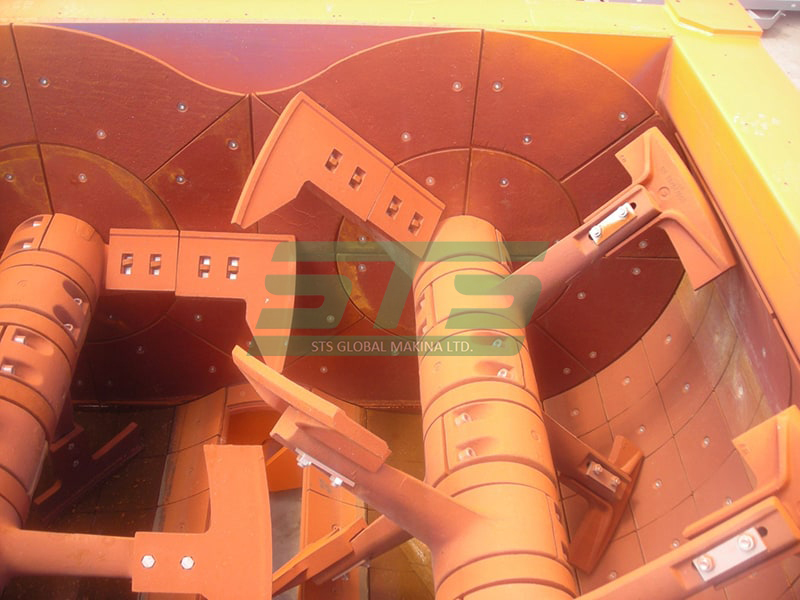
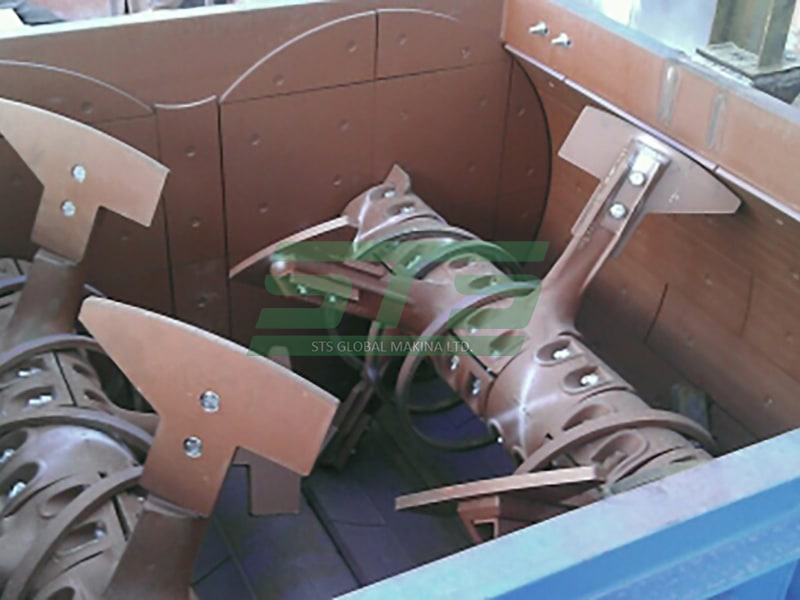
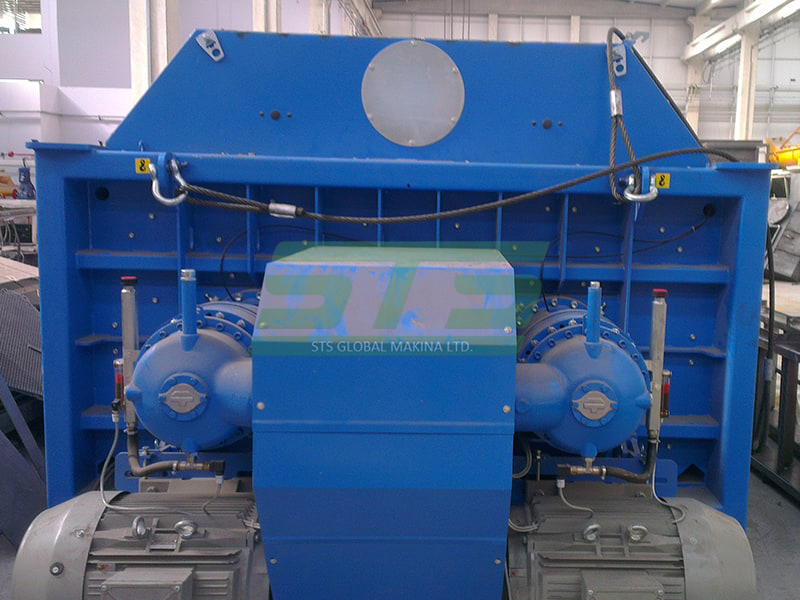
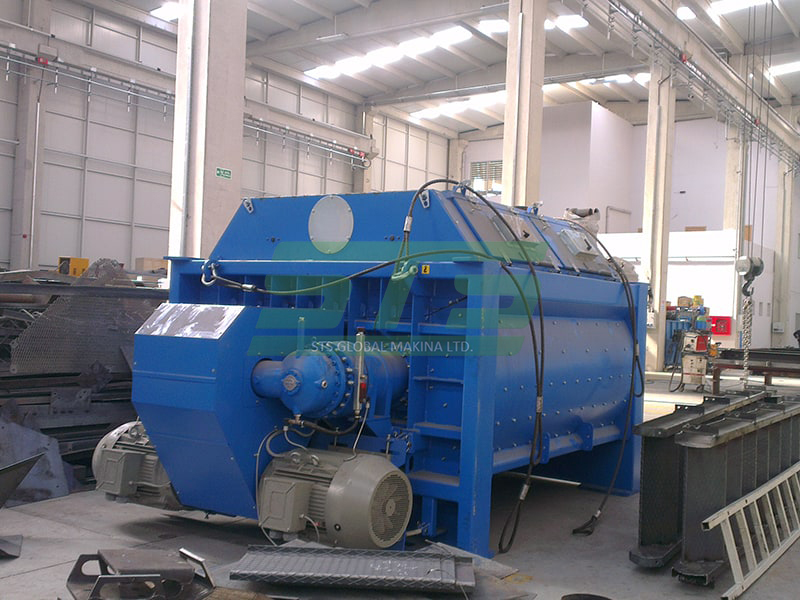
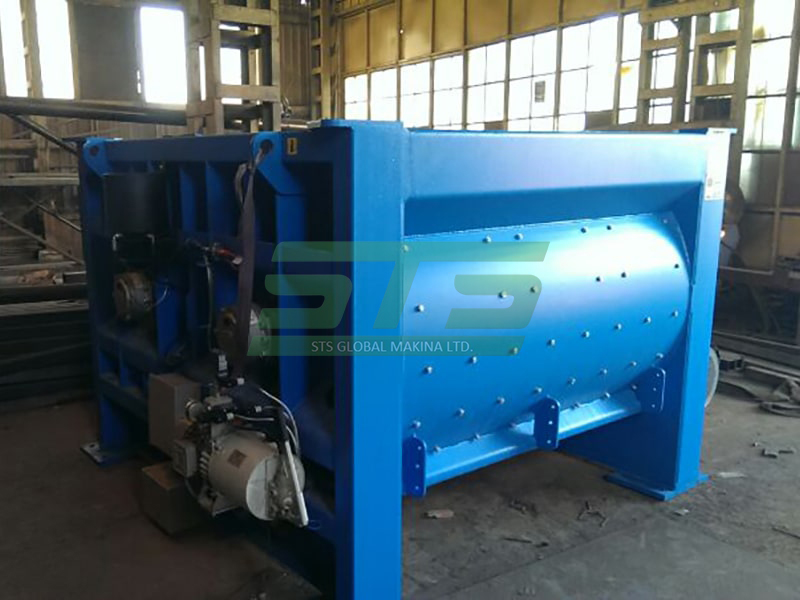
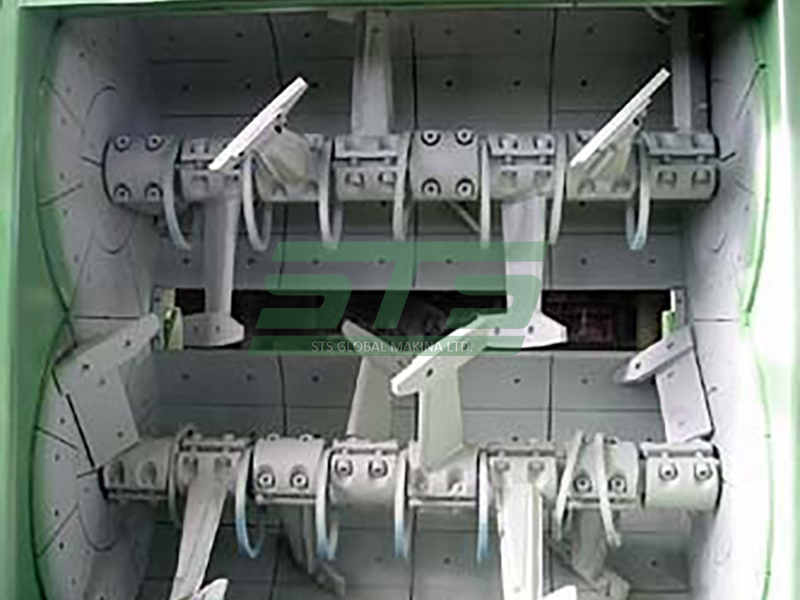
The outstanding performance of the twin shaft mixer is based on its powerful mechanism consisting of two synchronized, horizontal shafts:
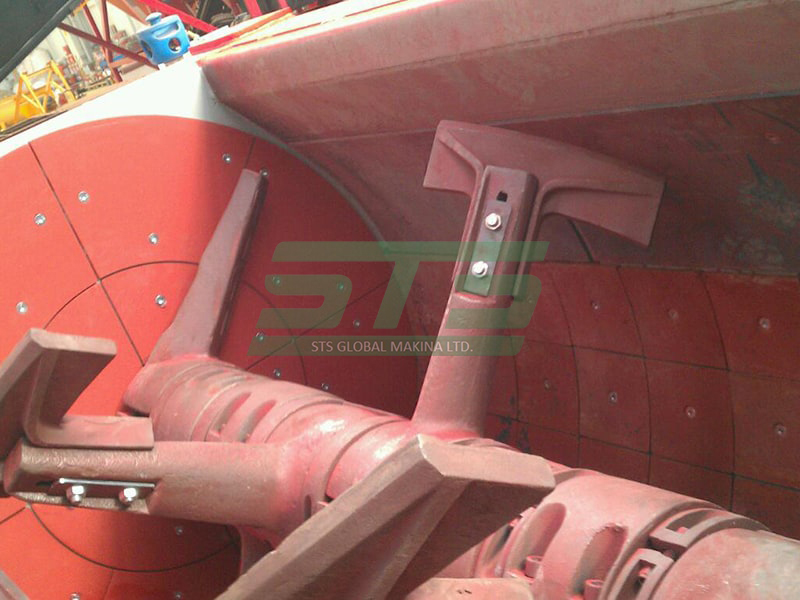
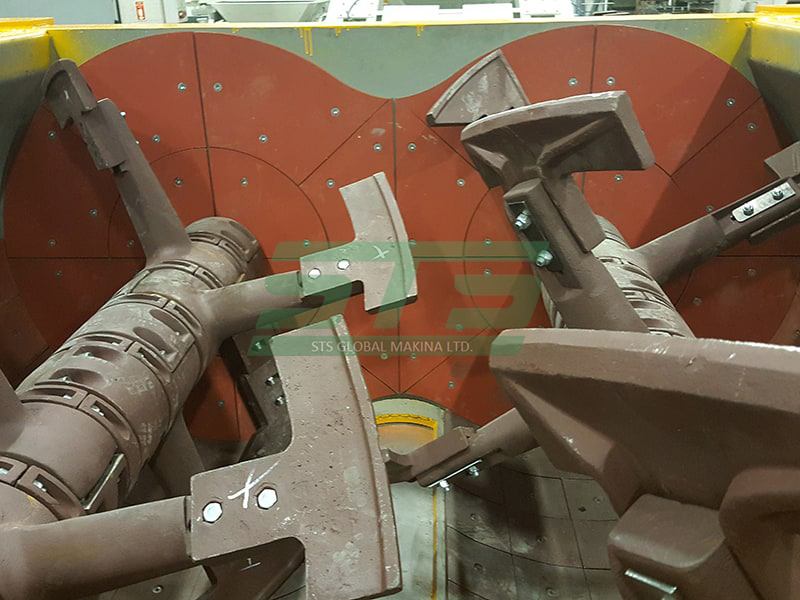
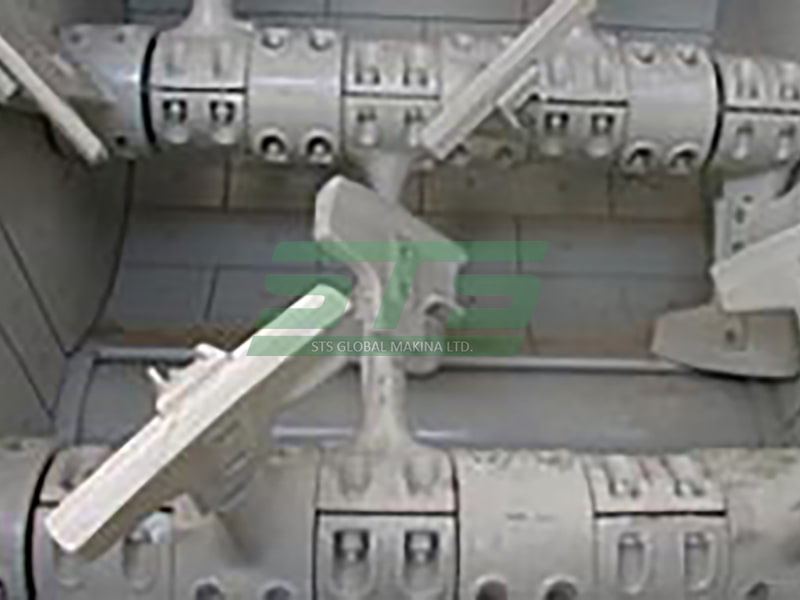
- When the material is filled into the mixer tank, the mixer arms and paddles on two horizontal shafts rotating in opposite directions are activated.
- These arms push the material into a zone of intense turbulence at the center of the boiler, where it is thrown upward and then falls back into the shafts by gravity.
- This continuous and intense movement circulates the material in a three-dimensional helical (spiral) orbit. This allows even the largest aggregate particles to be completely coated with cement paste in a very short time.
- This forced and high-energy mixing action ensures an extremely homogeneous and high-quality concrete mix in just 30 seconds.
Advantages of Twin Shaft Mixers
- Maximum Capacity and Speed: It offers much shorter mixing (batch) times compared to other mixer types. This maximizes the hourly production capacity of the concrete plant.
- Superior Homogeneity: The intensive and three-dimensional mixing action ensures excellent homogeneity even in the most difficult (low slump, large aggregate) mixes.
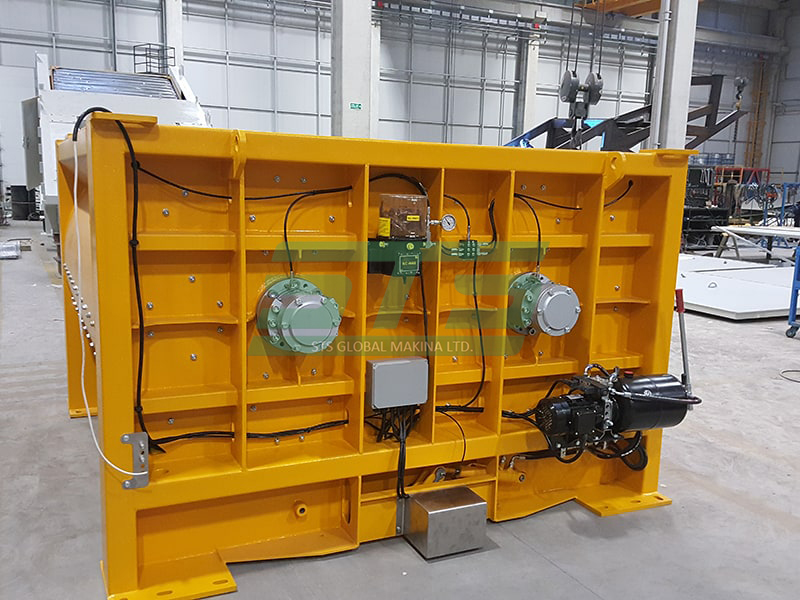
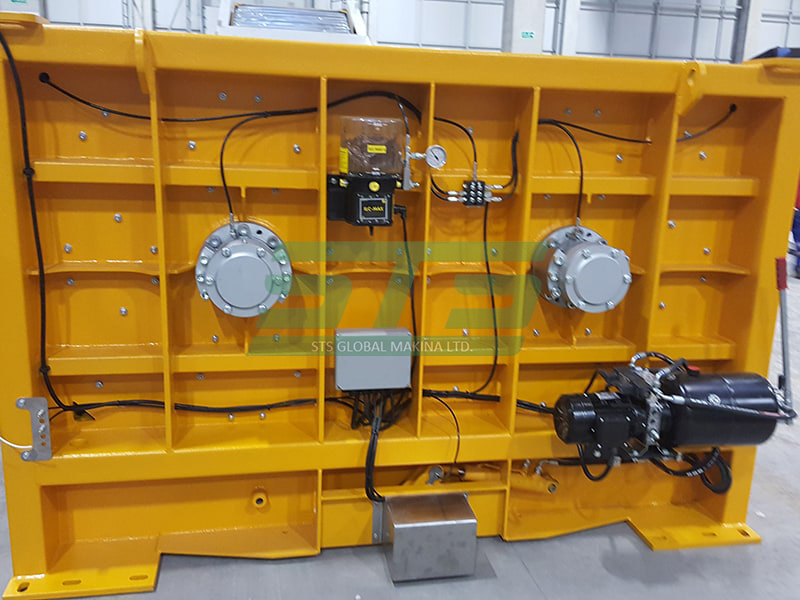
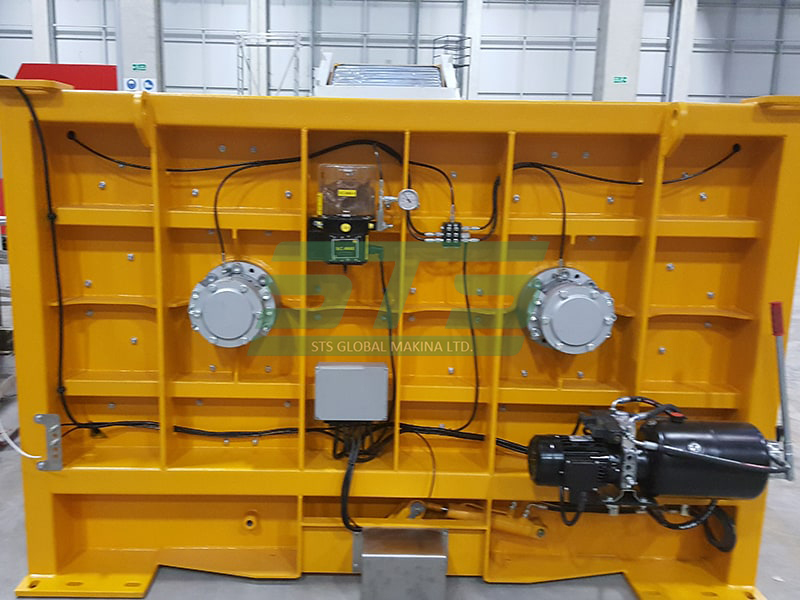
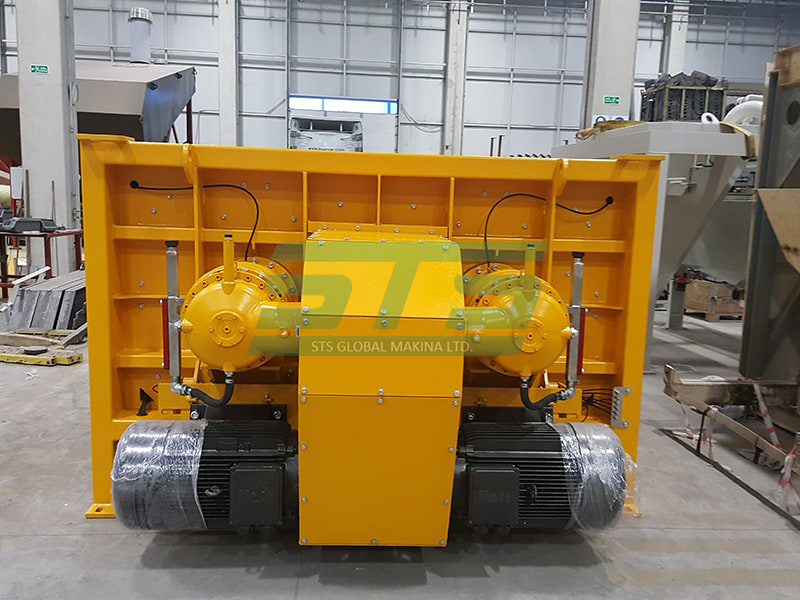
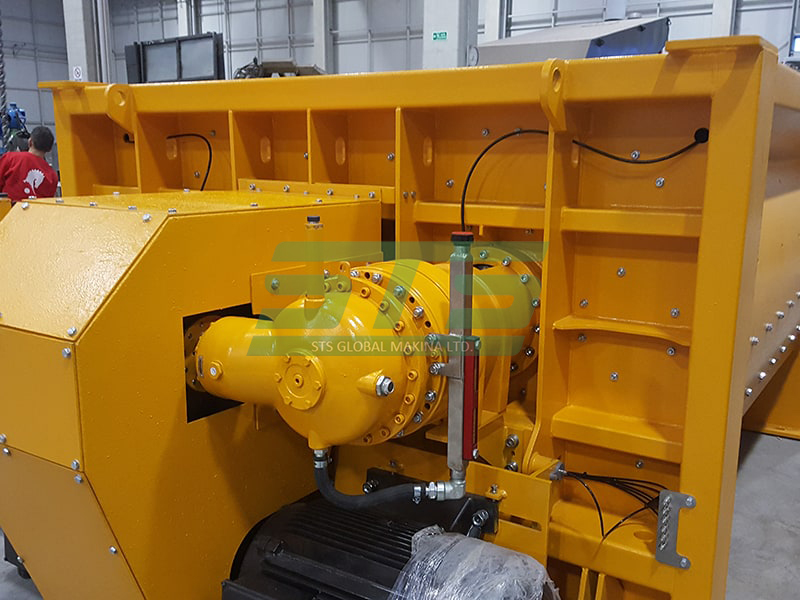
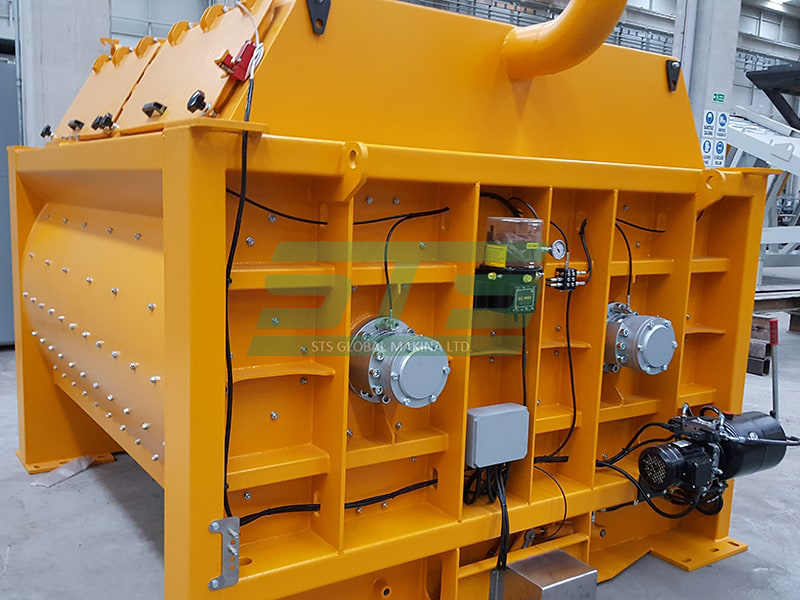
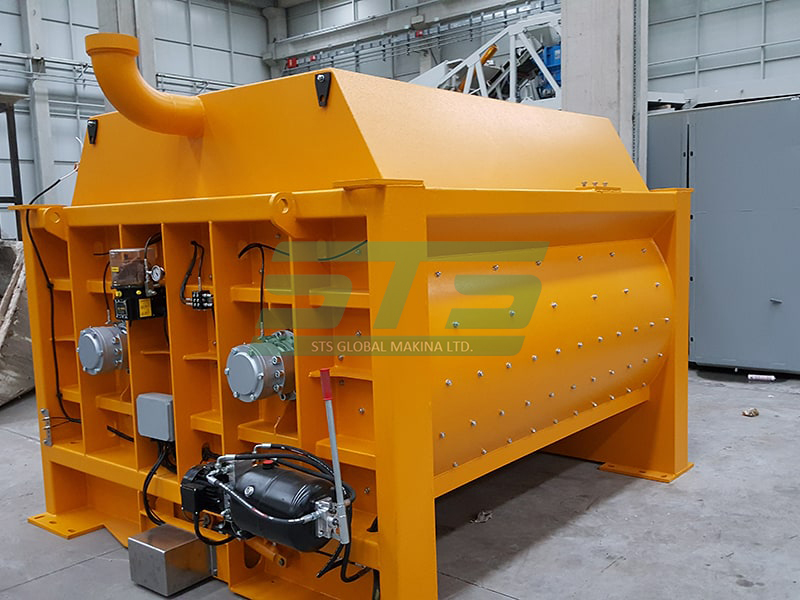
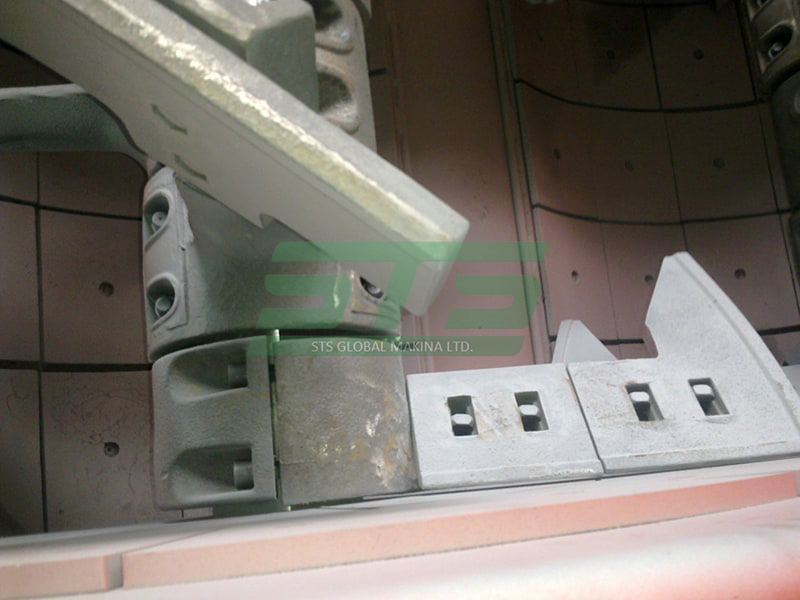
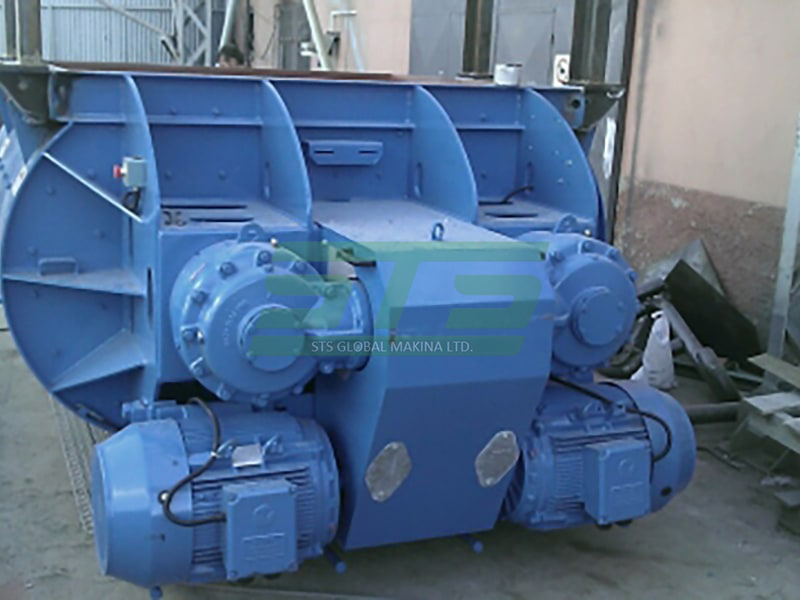
- Durability and Low Operating Cost: Heavy duty reducers offer long life and low maintenance cost thanks to high quality wear plates (Ni-Hard casting) and automatic lubrication system.
- Versatility: It can successfully mix all types of concrete with different slump values, ranging from ready-mixed concrete to RCC (Roller-Compacted Concrete (RCC)) and dam concrete.