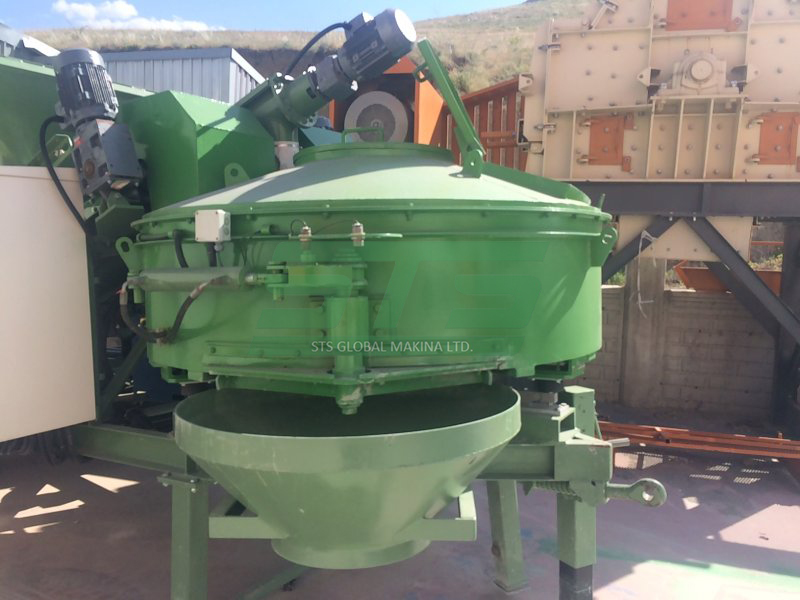
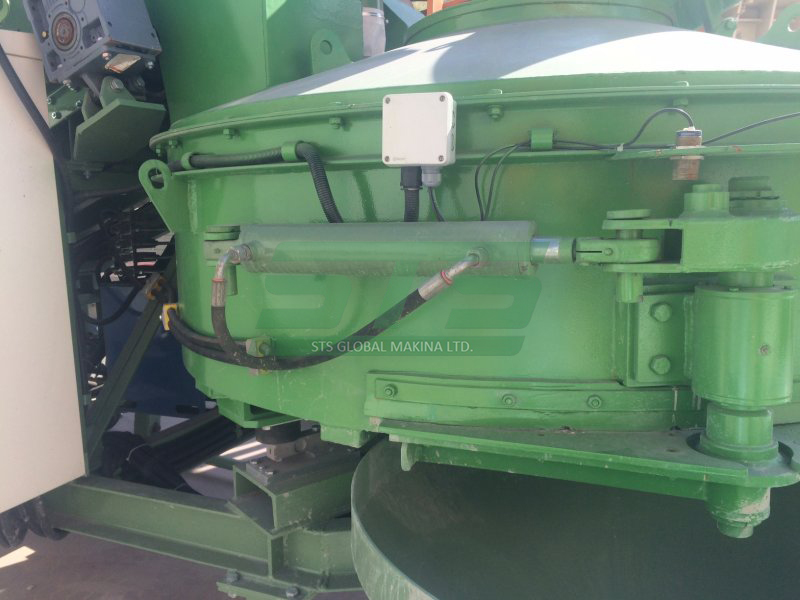
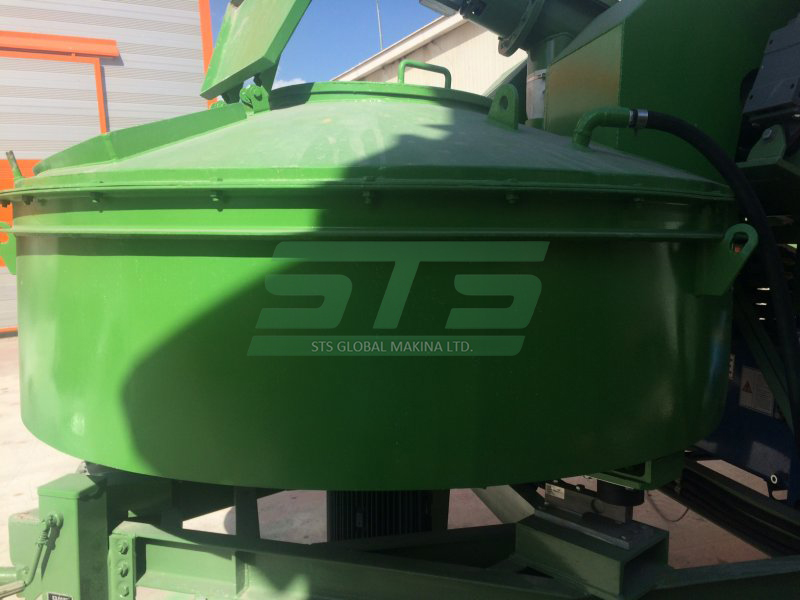
Pan Mixer
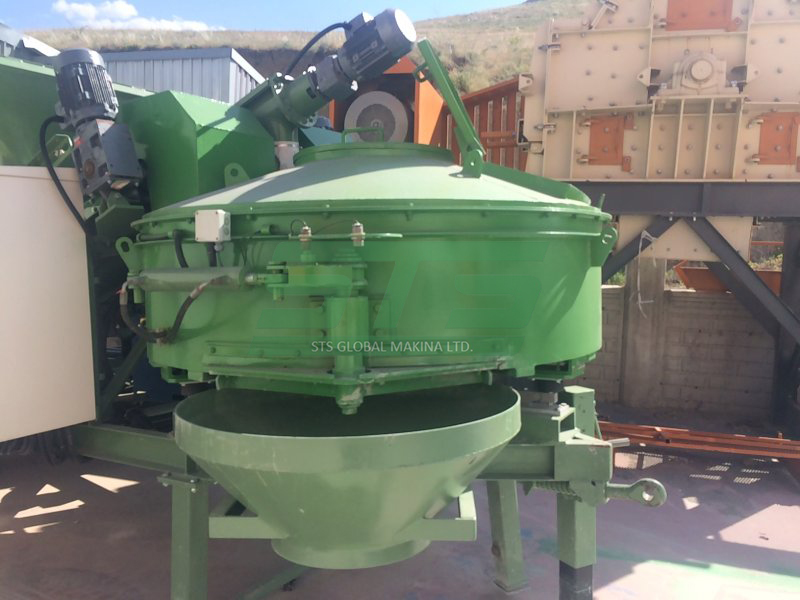
Pan-Type Mixers are highly efficient and economical concrete mixers that operate on the principle of "forced mixing" using mixing arms rotating around a vertical shaft. They demonstrate superior performance, particularly in the preparation of low- and medium-slump concrete (low-flow) and mortars used in the production of paving stones, bricks, curbs, and precast elements.
The Art of Forced Mixing: How Does a Pan Mixer Work?
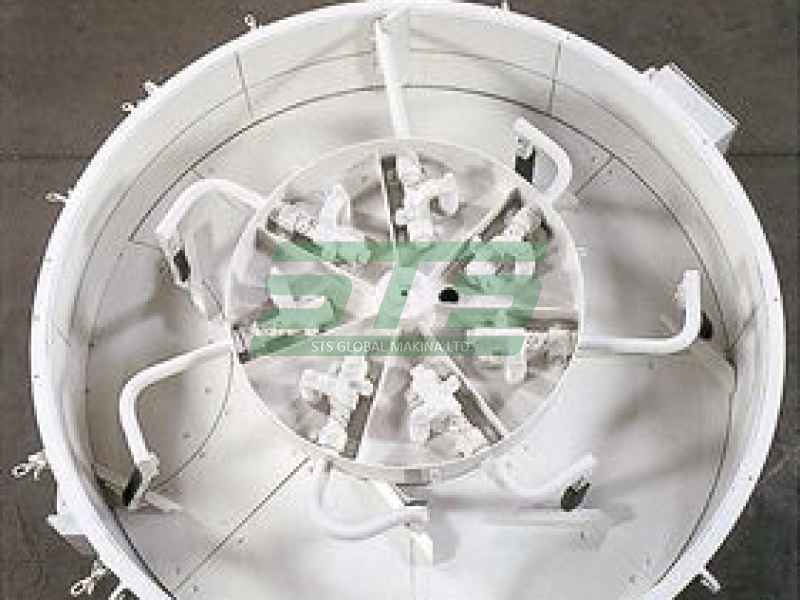
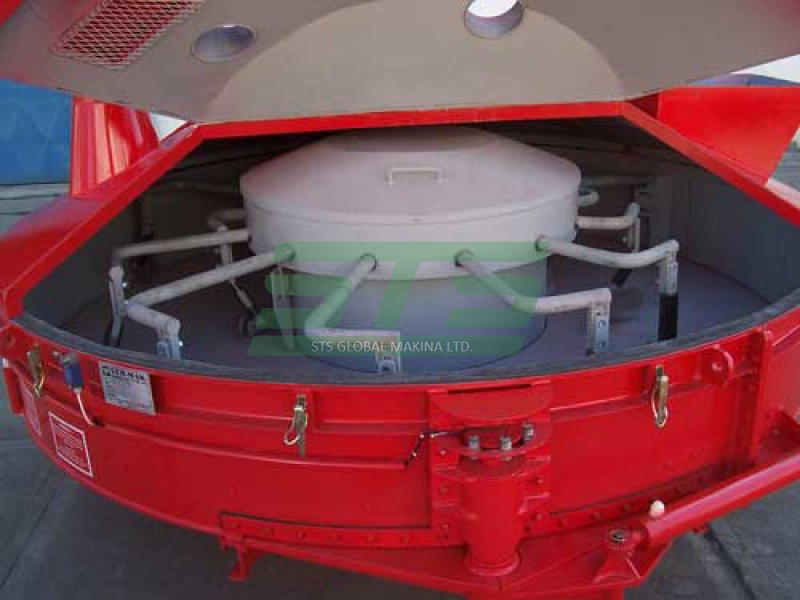
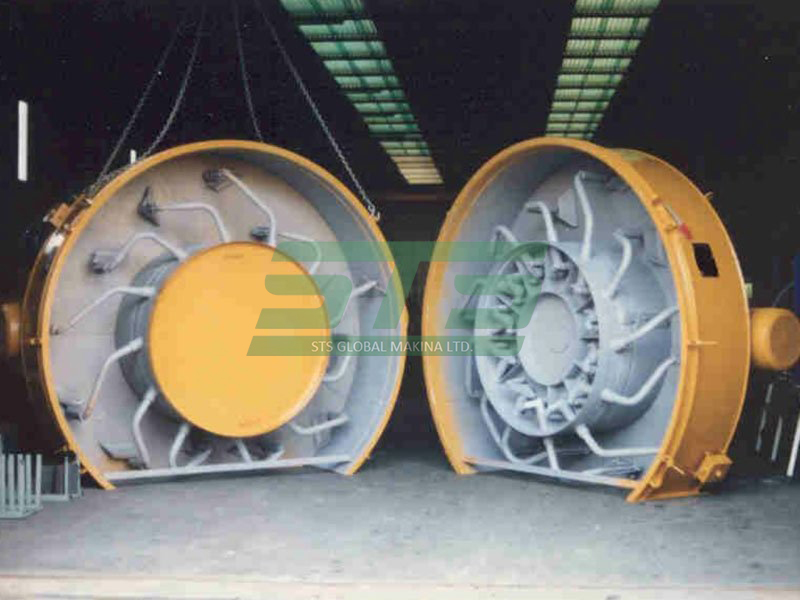
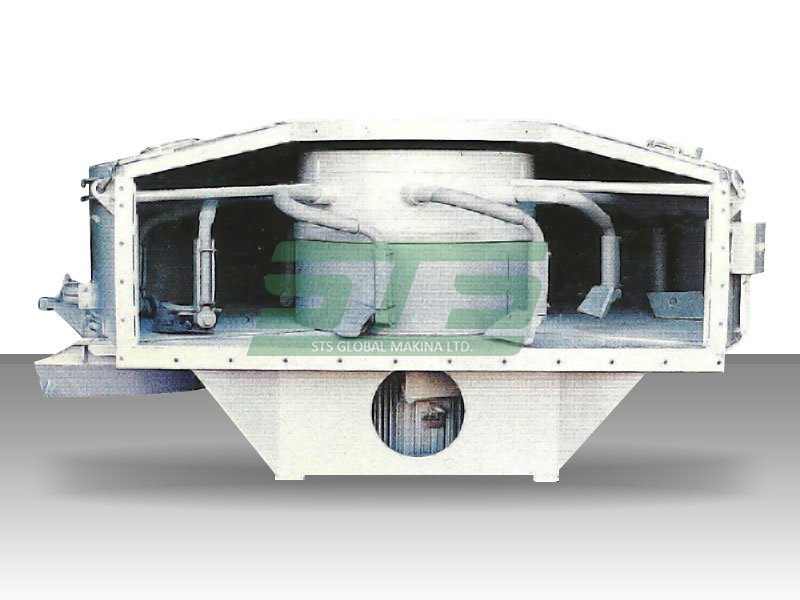
The operating principle of the pan mixer is based on the forced movement of the material in a fixed bowl (pan) in a forced orbit:
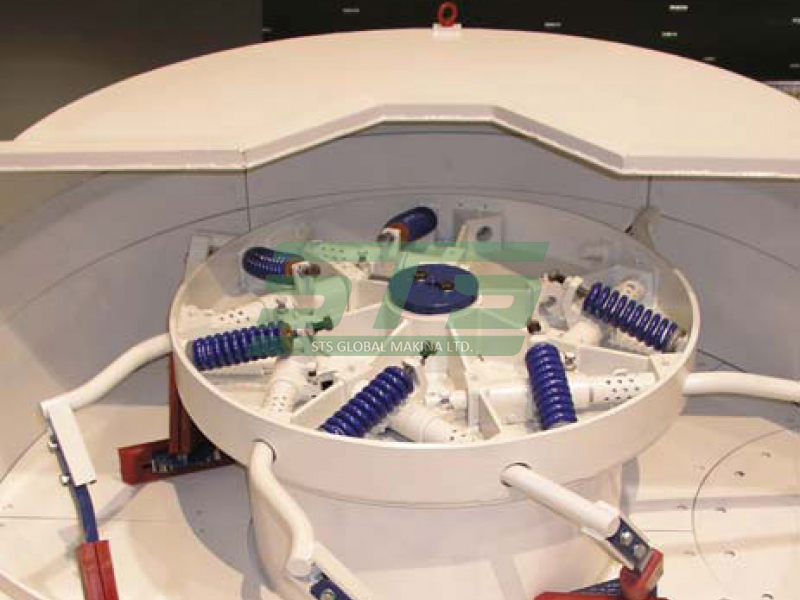
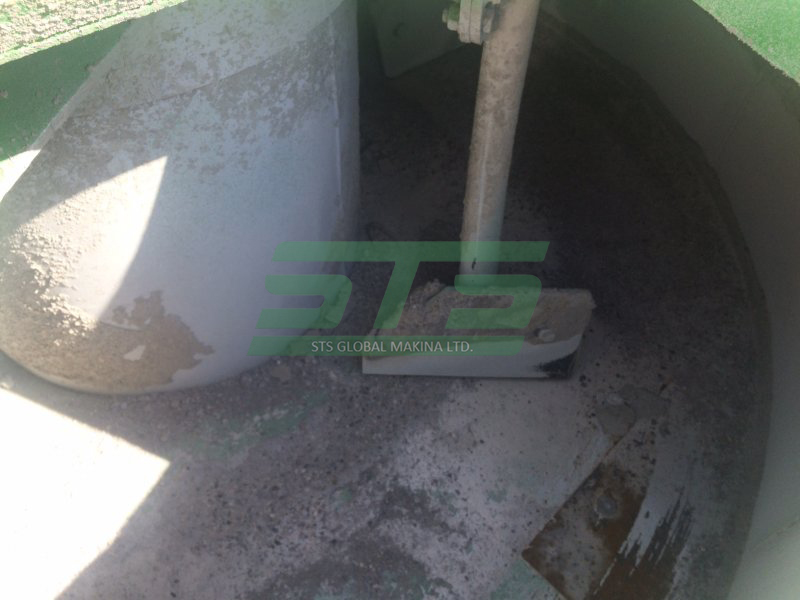
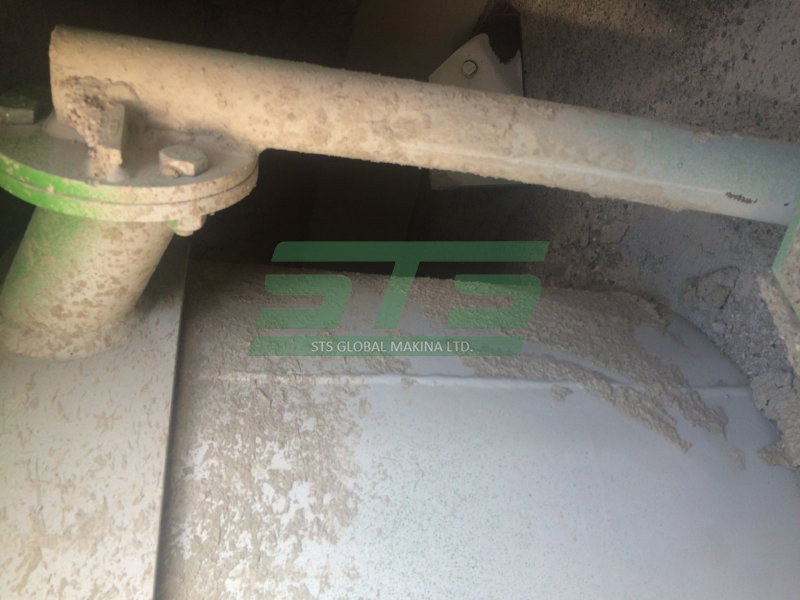
- When the material is loaded into the mixer, the mixing arms and paddles attached to a vertical shaft begin to rotate.
- These arms create a circular flow by both rotating the material around their own axes and pushing it against the vessel walls. This bi-directional motion creates intense interaction between the materials.
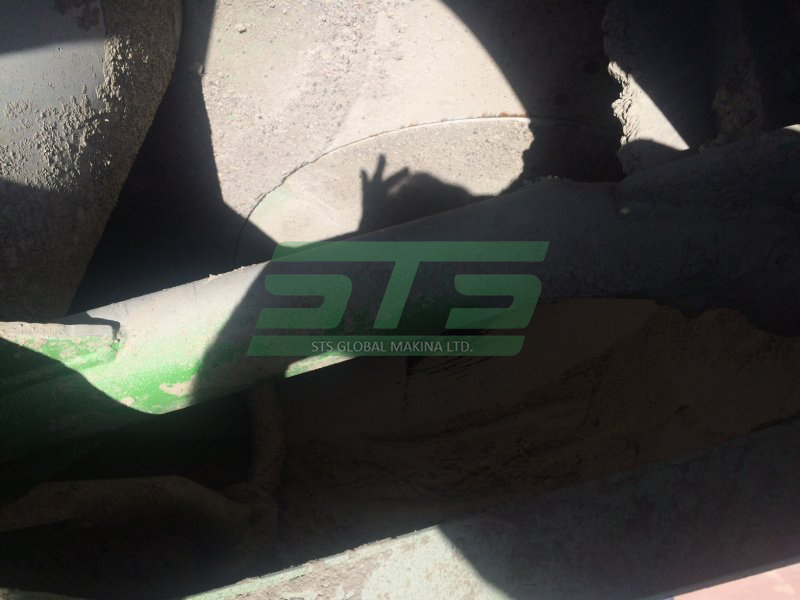
- At the same time, scraper paddles continuously clean the boiler bottom and walls, preventing material from sticking and ensuring there are no "dead zones".
- Thanks to this intensive and mandatory mixing action, all aggregate grains are covered with cement paste in a short time and a homogeneous mixture is obtained.
Advantages of Pan Type Mixers
- High Homogeneity: It ensures the obtaining of a very homogeneous concrete, especially in dry and semi-dry mixtures, thanks to the forced mixing principle.
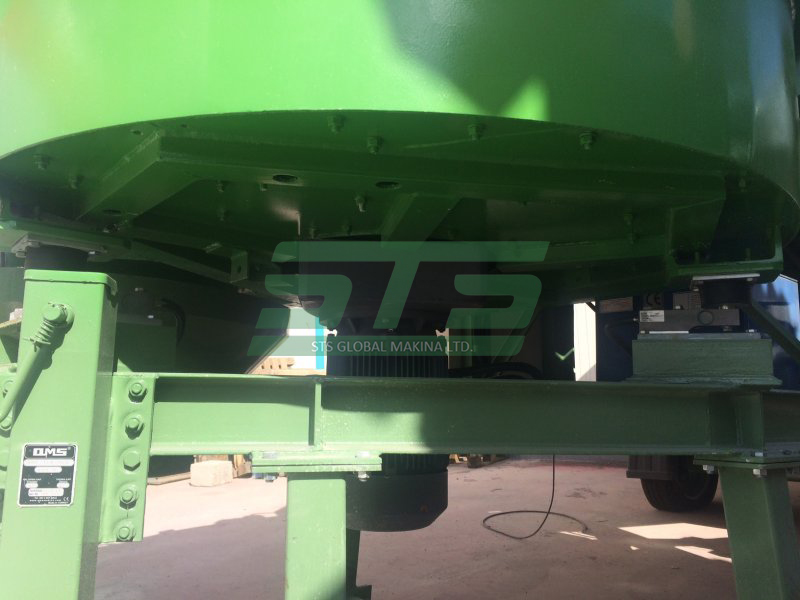
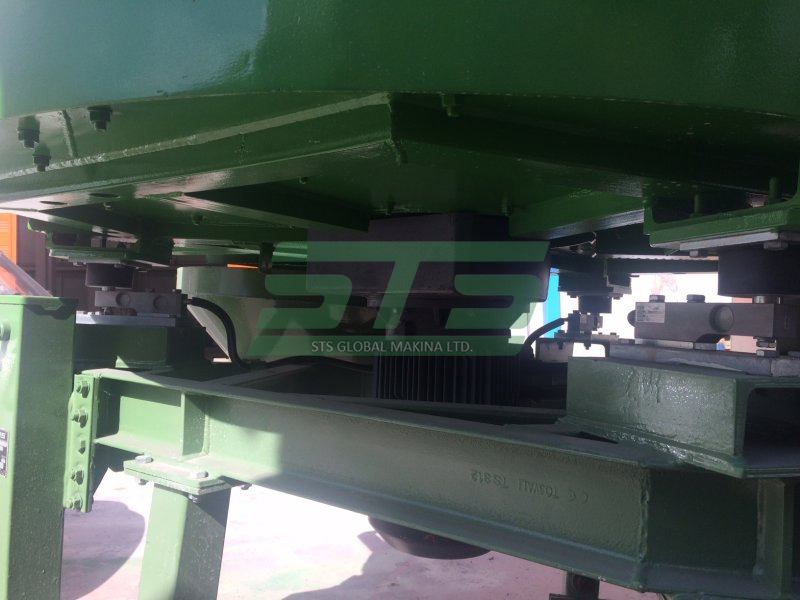
- Low Operating Cost: Thanks to its simple and robust mechanical structure, fewer wearing parts and ease of maintenance, operating and maintenance costs are quite low.
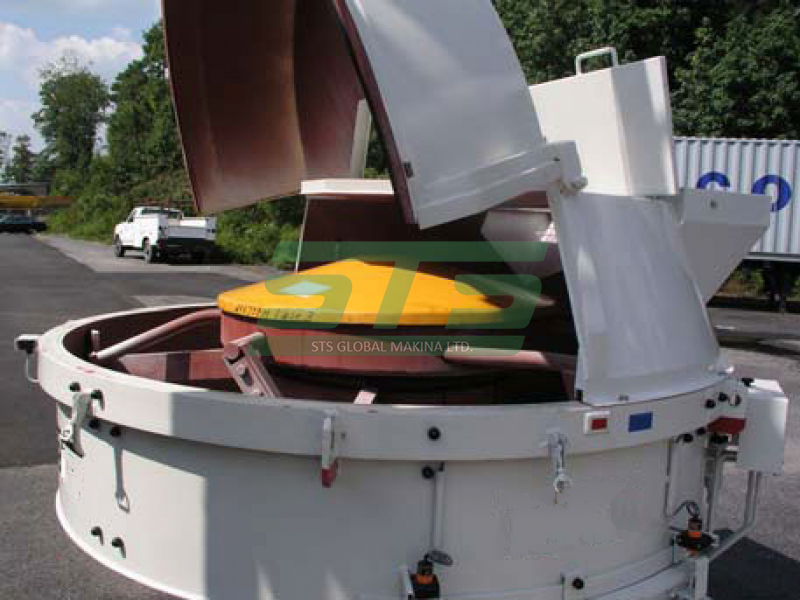
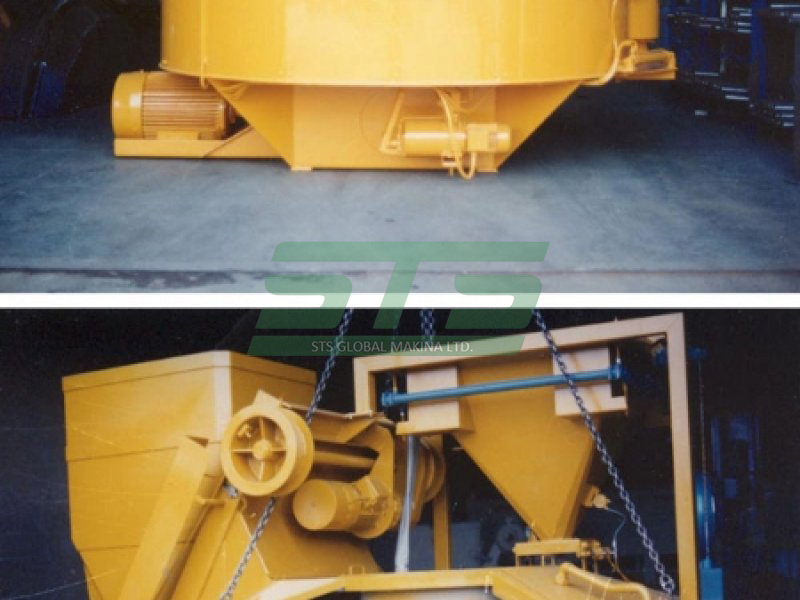
- Flexible Unloading: The ability to have more than one discharge cover offers the possibility of feeding different lines (e.g. colored and normal parquet line) at the same time.
- Economical Solution: Its low initial investment cost makes it an ideal and economical option, especially for facilities producing paving stones, briquettes and curbstones.